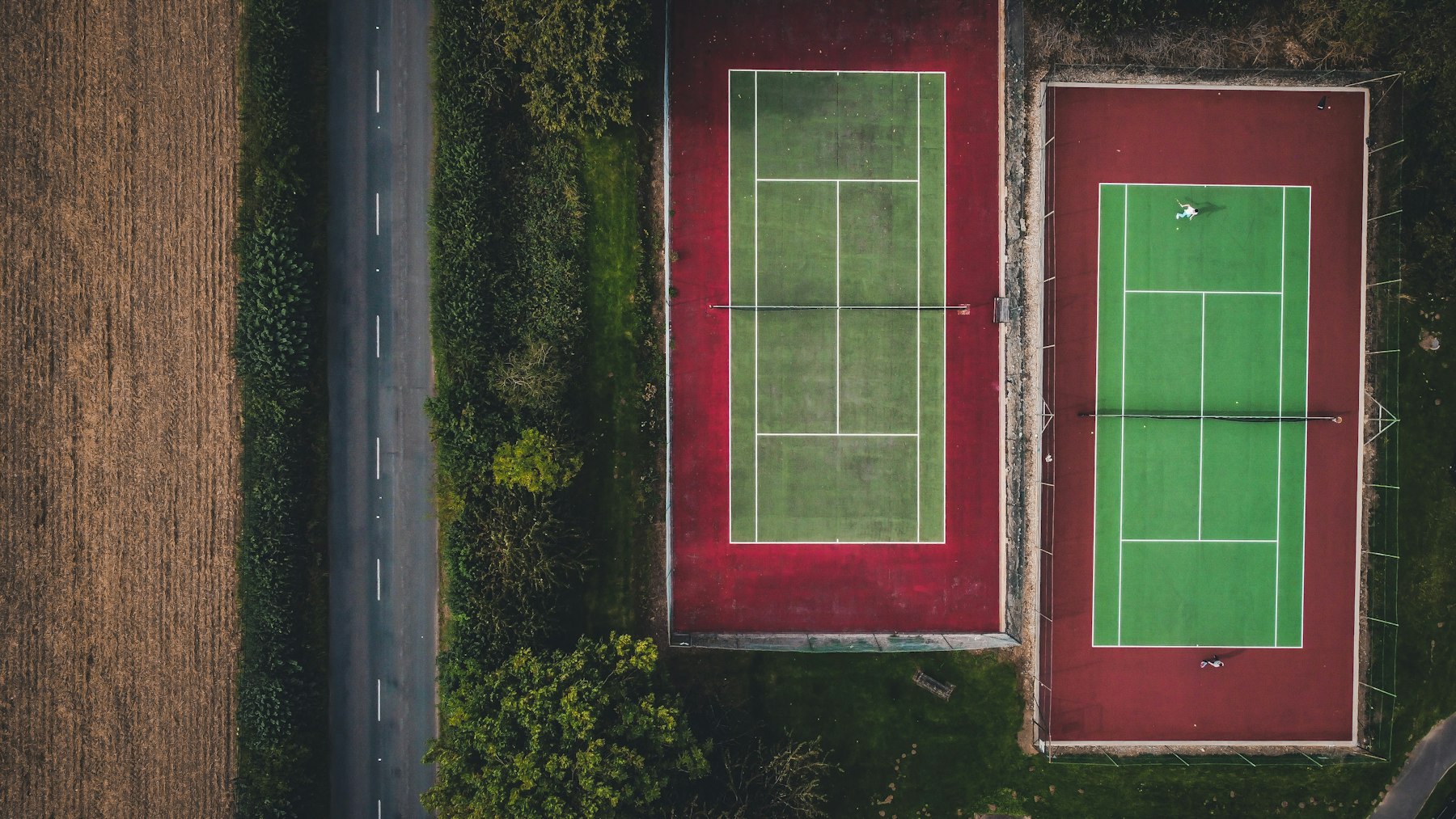
Court Dome & Bubble Enclosure Cost in NJ
An air-supported dome turns an outdoor court into a heated, year-round playing space — a different investment entirely than a surface cover or a ground-up indoor build.
Ask About Dome Options →A single-court air-supported dome in New Jersey typically costs $150,000–$350,000 installed, covering the fabric structure, foundation anchoring, blower system, and basic lighting. That's a different category of project than a $800–$48,000 surface cover, and usually less than a permanent ground-up indoor building. A seasonal dome (erected fall, removed spring) is the lower-cost route to winter play; a permanent dome stays up year-round but costs more to operate.
What Goes Into a Dome Installation
Foundation & Anchoring
A perimeter footing or ballast system anchors the fabric envelope against wind uplift — engineered to the specific dome size and NJ wind-load requirements.
Blower System
Continuous-run blowers keep the fabric pressurized. Redundant blowers and backup power are standard on anything you actually rely on through winter.
Heating
Direct-fired or indirect heaters bring the enclosed space to a playable temperature. Sizing depends on dome volume and how cold you need it to stay comfortable.
Lighting & Electrical
Interior lighting sized for play, plus the electrical service to run blowers, heat, and lights — often the parts of the project that need the most upfront planning.
A Third Category Between Covers and Indoor Builds
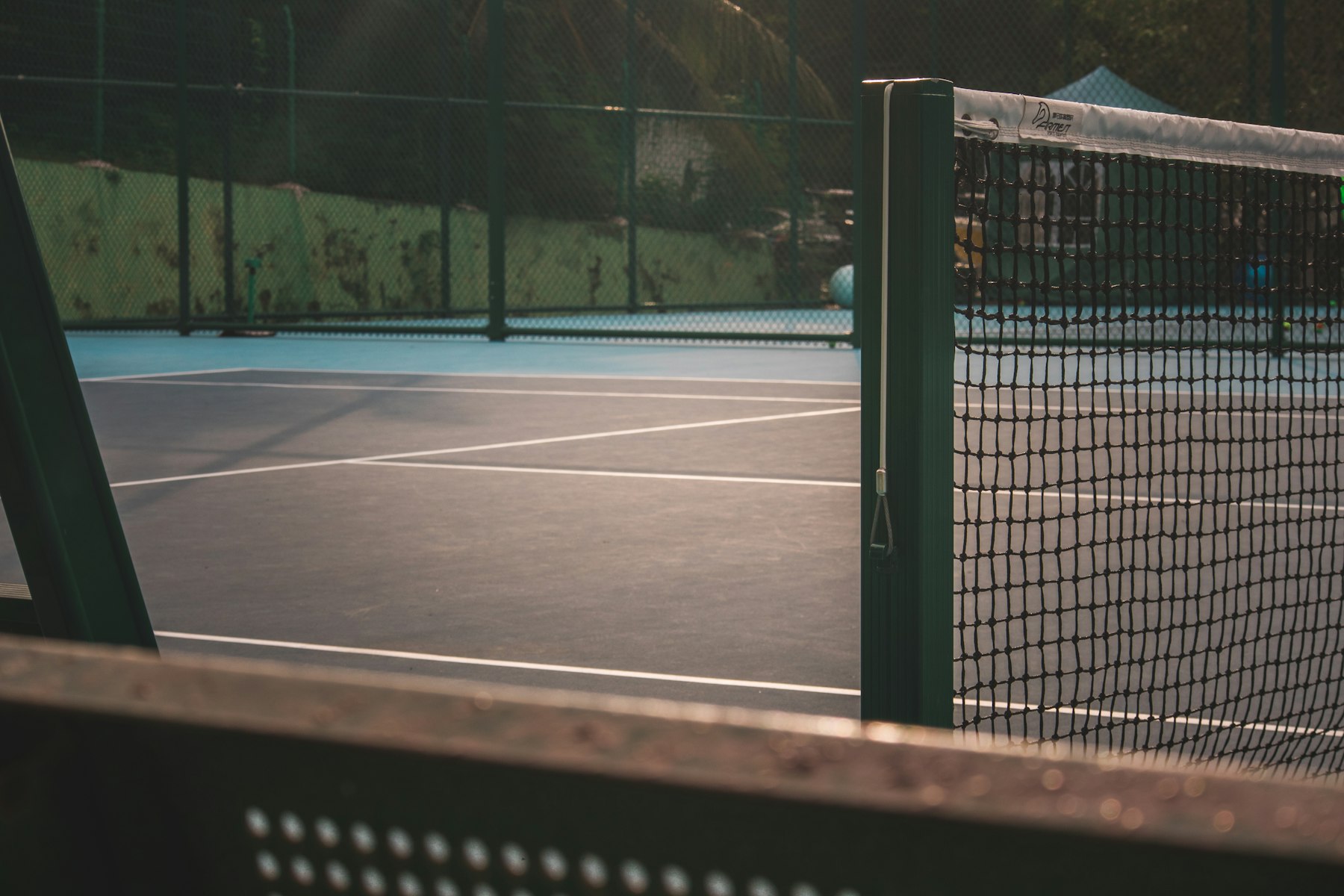
A cover protects a court's surface when nobody's playing. A dome creates a heated space you actually play inside, without the full cost of a permanent building. Where it lands between those two depends on whether you go seasonal or permanent.
- ✓ Seasonal dome: erected fall, removed spring
- ✓ Permanent dome: up year-round, higher operating cost
- ✓ Ground-up indoor build: highest cost, most permanent
Dome Cost vs. the Alternatives
Seasonal Single-Court Dome
$150,000–$350,000 installed, plus annual erection/teardown labor. Up roughly 6–7 months a year; removed for the outdoor season.
Permanent Dome
Higher installed cost than seasonal, but no annual erection/teardown labor. Runs year-round, so budget for continuous blower and heating costs.
Ground-Up Indoor Building
The highest upfront cost of the three, but the most permanent — a real structure with resale value. See our indoor court construction guide for that path.
Ranges are typical for a single New Jersey court and vary with court count, ceiling clearance, site access, and heating and lighting specification. A site visit is the only way to get an accurate number.
Talk Through Dome vs. Cover vs. Indoor
Tell us how you actually want to use the court in winter and we'll help you figure out which of the three makes sense before you commit to a budget.
Request a Quote →Who a Dome Actually Makes Sense For
A dome is a facility-scale decision, not a homeowner upgrade for most backyard courts. It shows up most often at clubs, HOA and community amenity courts, and multi-court complexes where year-round revenue or year-round member access justifies six figures of upfront cost — see our multi-court complex guide for how that scope of project is typically priced. For most single-family backyard courts, a seasonal or retractable cover protects the investment at a fraction of the cost, even though it doesn't buy you playable winter space the way a dome does.
If year-round play is the actual goal rather than just protecting the surface, it's worth comparing a dome against a ground-up indoor build — a barn or garage conversion, or new construction — before deciding. A permanent building costs more per court but adds real square footage and resale value to a property; a dome is cheaper and reversible if it's seasonal, but it's a fabric structure, not an asset that appreciates the way a building does.
One thing a dome doesn't solve on its own: an outdoor court's existing shade or wind considerations. If part of the appeal is comfortable shoulder-season play without full winter enclosure, a shade structure or pergola over a seating area is a much smaller investment that solves a different problem — it doesn't heat the space or extend the season the way a dome does, but it's worth ruling out before committing to a six-figure enclosure if what you actually want is shade.
Sizing and siting a dome starts the same way any court project does — confirm the court's footprint and clearance needs first. Our pickleball court dimensions guide and tennis court dimensions guide cover the playing-surface and run-off requirements a dome structure has to clear on top of, since ceiling height and perimeter clearance both scale with what's underneath it.
A dome isn't the only way to get indoor tennis, either — it's the lower-cost, non-permanent alternative to a true building. If what you actually want is a permanent facility rather than a seasonal fabric structure, our indoor tennis court construction cost guide covers the 35 ft ceiling requirement and construction cost for that route instead.
One sequencing question we get on almost every dome quote: does the surface need attention first? A dome fabric envelope doesn't care what condition the coat underneath is in — it seals in a faded, polished, or cracked surface just as readily as a fresh one. If your court hasn't been recoated in the last several years, get a straight answer on that before signing a dome contract; see our tennis court resurfacing and repair guide for the 5–8 year recoat cycle and how to tell if yours is due.
Related Guides
Tennis Court Covers
The lower-cost route to surface protection when you don't need playable enclosed space.
Indoor Pickleball Court Construction
Ground-up and conversion indoor builds, for when a permanent structure makes more sense than a dome.
Multi-Court Complexes for HOAs & Towns
How shared-amenity and facility-scale court projects are priced.
Court Shade Structure & Pergola Cost
A much smaller investment if shade, not winter enclosure, is the actual goal.
Court Dome & Bubble FAQs
How much does a court dome or bubble cost to install in NJ?+
A single-court air-supported dome (structure, foundation anchoring, blower system, and basic lighting) typically runs $150,000–$350,000 installed in New Jersey, depending on court count, ceiling clearance, and whether it's a seasonal or permanent structure. A multi-court dome scales well past that. This is a different category of spend than a cover — a cover protects the surface, a dome adds a fully climate-controlled playing environment.
What's the difference between a court dome and a tennis court cover?+
A cover — mesh tarp, fixed panel, or retractable system — protects an idle court's surface from weather but doesn't create playable space; see our tennis court covers guide for that category. A dome is a pressurized fabric structure with a blower system that you actually play inside, heated for winter use, with its own lighting and often HVAC. Covers run in the thousands; domes run in the hundreds of thousands, because you're buying an enclosed structure, not surface protection.
Is a dome cheaper than a ground-up indoor court building?+
Usually, yes, if you already have an outdoor court in a suitable location. A permanent indoor facility — see our indoor pickleball court construction guide — means a real building: foundation, walls, roof structure, and permanent HVAC, which costs considerably more per court than an air-supported dome over an existing slab. A seasonal dome that's erected in fall and removed in spring is the lowest-cost route to winter play, though it sacrifices the permanence and resale value of an actual building.
Do I need a permit for a court dome in New Jersey?+
Yes. Even a seasonal air-supported structure is a construction project in most NJ towns — it needs a building permit, structural engineering for wind and snow load on the fabric envelope, and an electrical permit for the blower and lighting circuits. Permanent domes anchored year-round go through a fuller zoning and construction review, similar to any other structure added to a property, and may face height and setback limits a standard court doesn't.
How long does a dome extend the playing season?+
A properly heated dome extends play to essentially year-round, which is the entire point — it's the only enclosure type that does. A seasonal dome is typically erected in October or November and taken down in April or May, giving roughly 6–7 months of protected play on top of the outdoor season you already have. A permanent dome stays up year-round but costs more upfront and carries ongoing heating and blower operating costs the seasonal version avoids for half the year.
What ongoing costs come with owning a court dome?+
Beyond the install, budget for blower electricity (the fabric stays inflated continuously), heating fuel or electricity for winter comfort, annual fabric inspection, and eventual fabric replacement — most dome membranes are rated for roughly 10–15 years before recoating or replacement. Seasonal domes also carry an erection and teardown labor cost each year, which a permanent structure avoids but pays for in year-round utility costs instead.
Find Out What a Dome Costs for Your Court
Tell us your court count and whether you want seasonal or permanent, and we'll set up a site visit and a fixed quote.
Request a Quote →