Tennis & Pickleball
Courts in New Jersey
Tennis, pickleball & basketball courts — designed, built, and resurfaced for New Jersey backyards, clubs, and schools. One crew, ground-up to game-on.
Pickleball, Tennis,
Basketball, and Repair
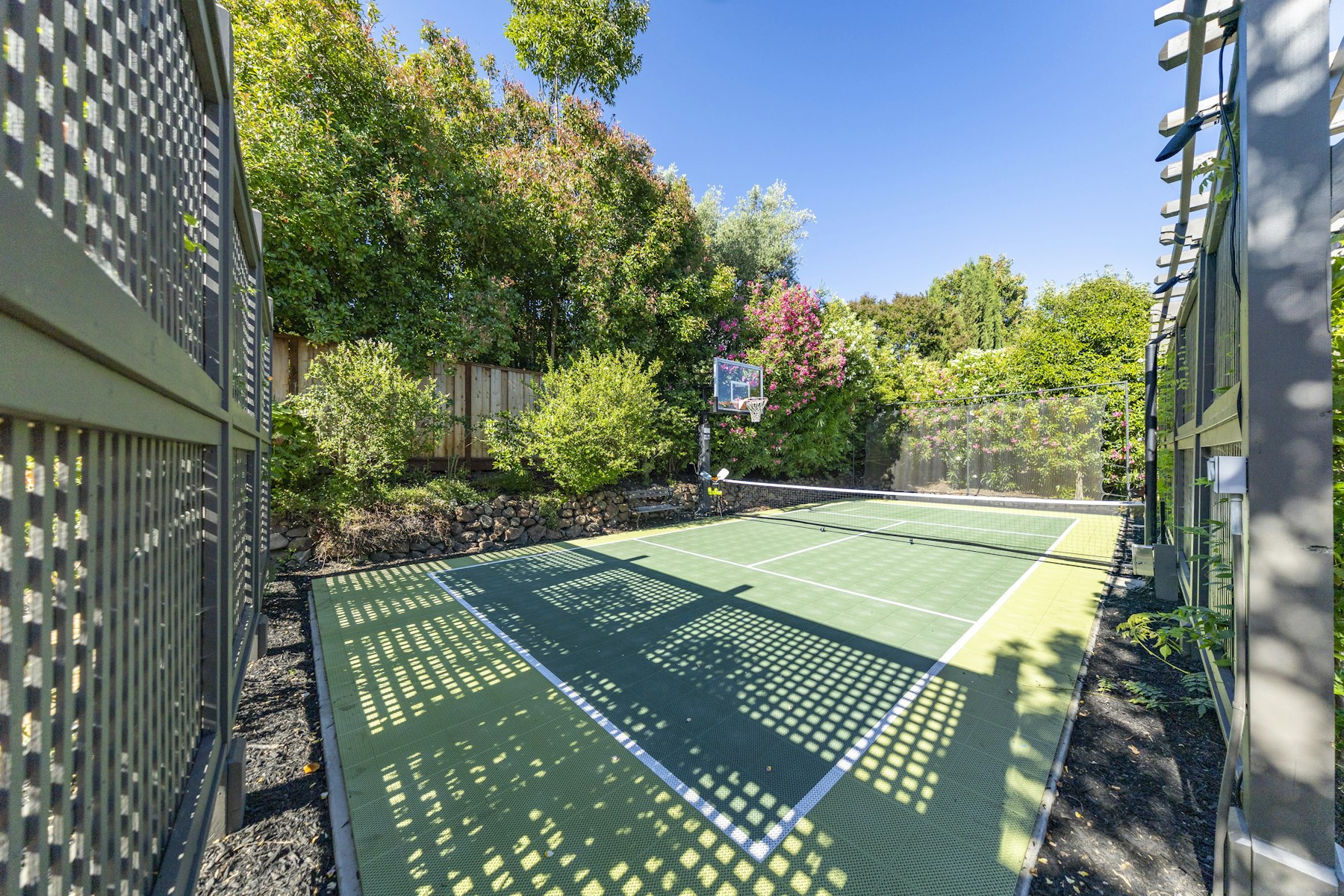
Pickleball Courts
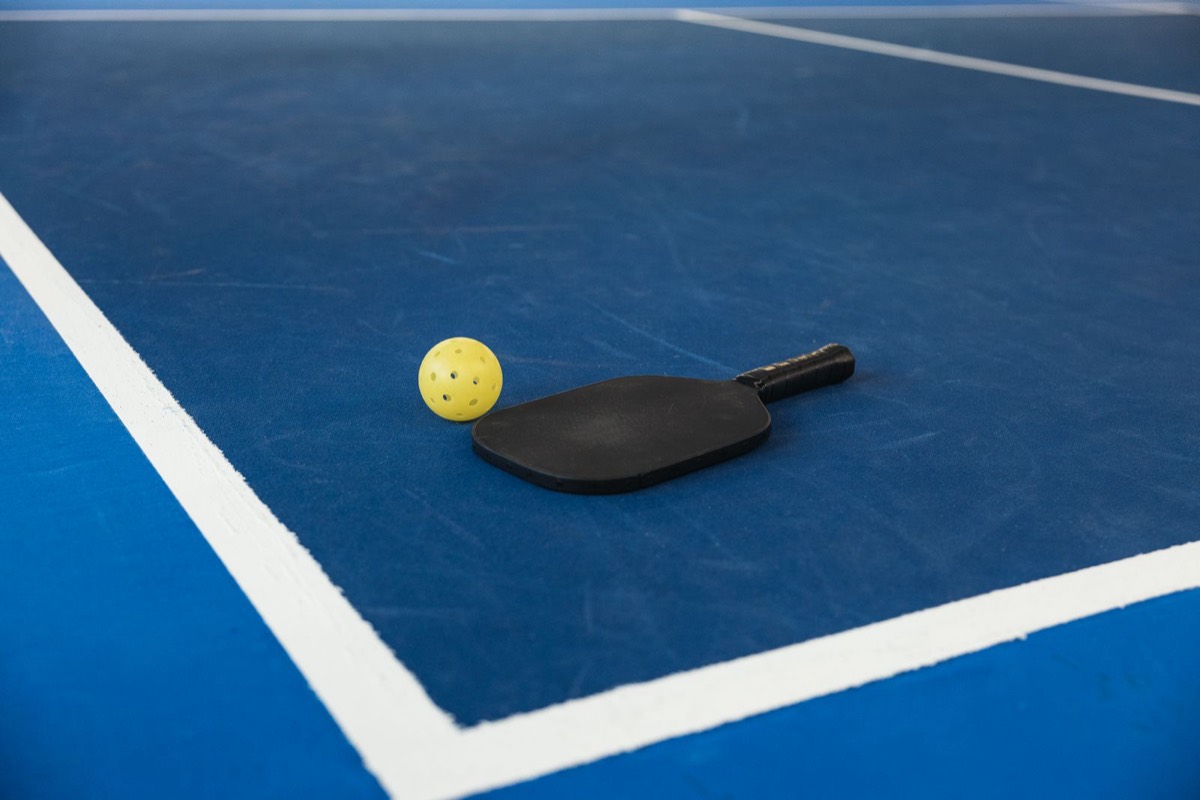
New dedicated pickleball courts built to regulation with a proper base, acrylic surfacing, and crisp permanent lines.
- ✓ Regulation & compact layouts
- ✓ Net posts and striping included
- ✓ Blended lines for multi-sport play
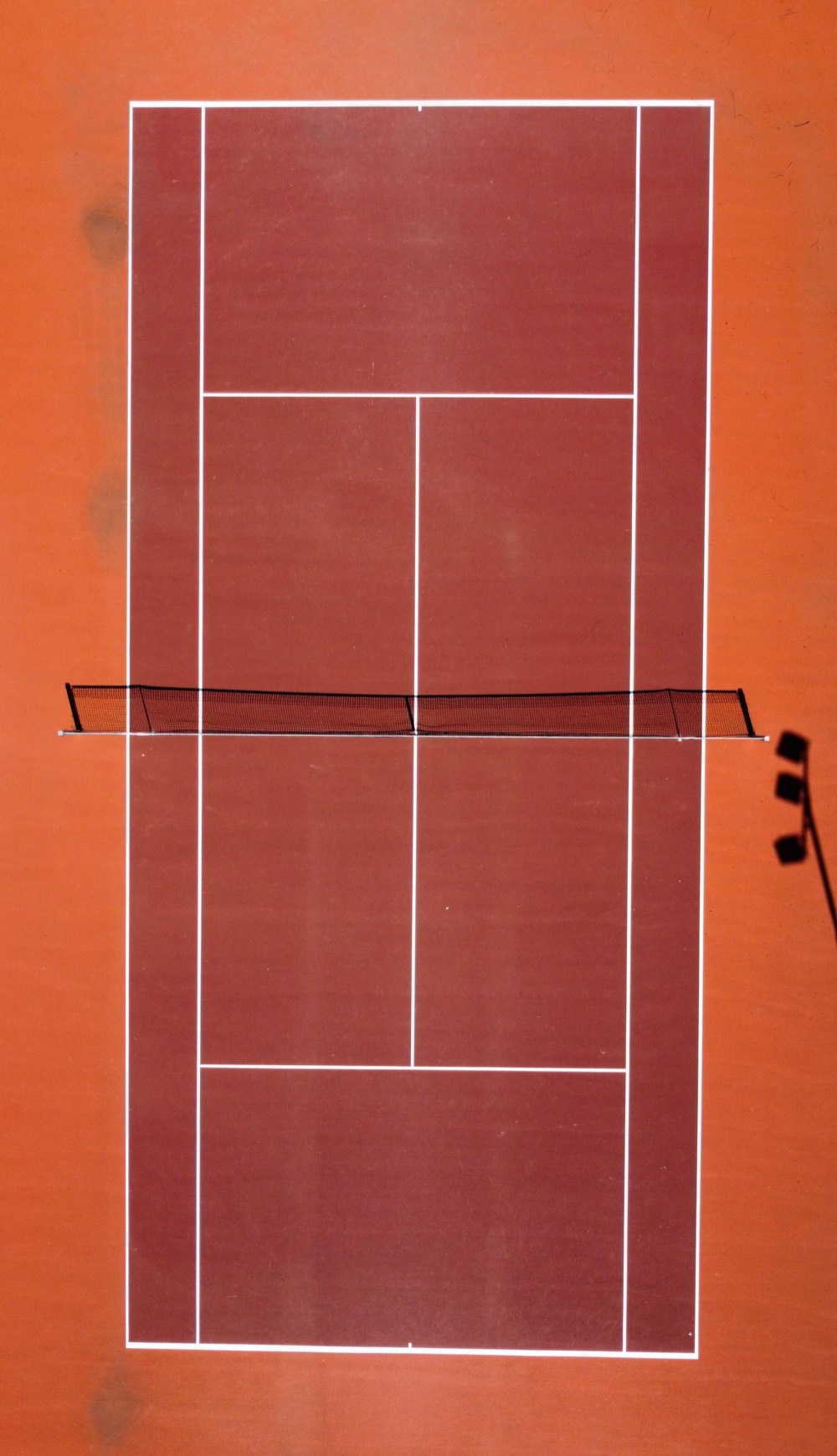
Tennis Courts
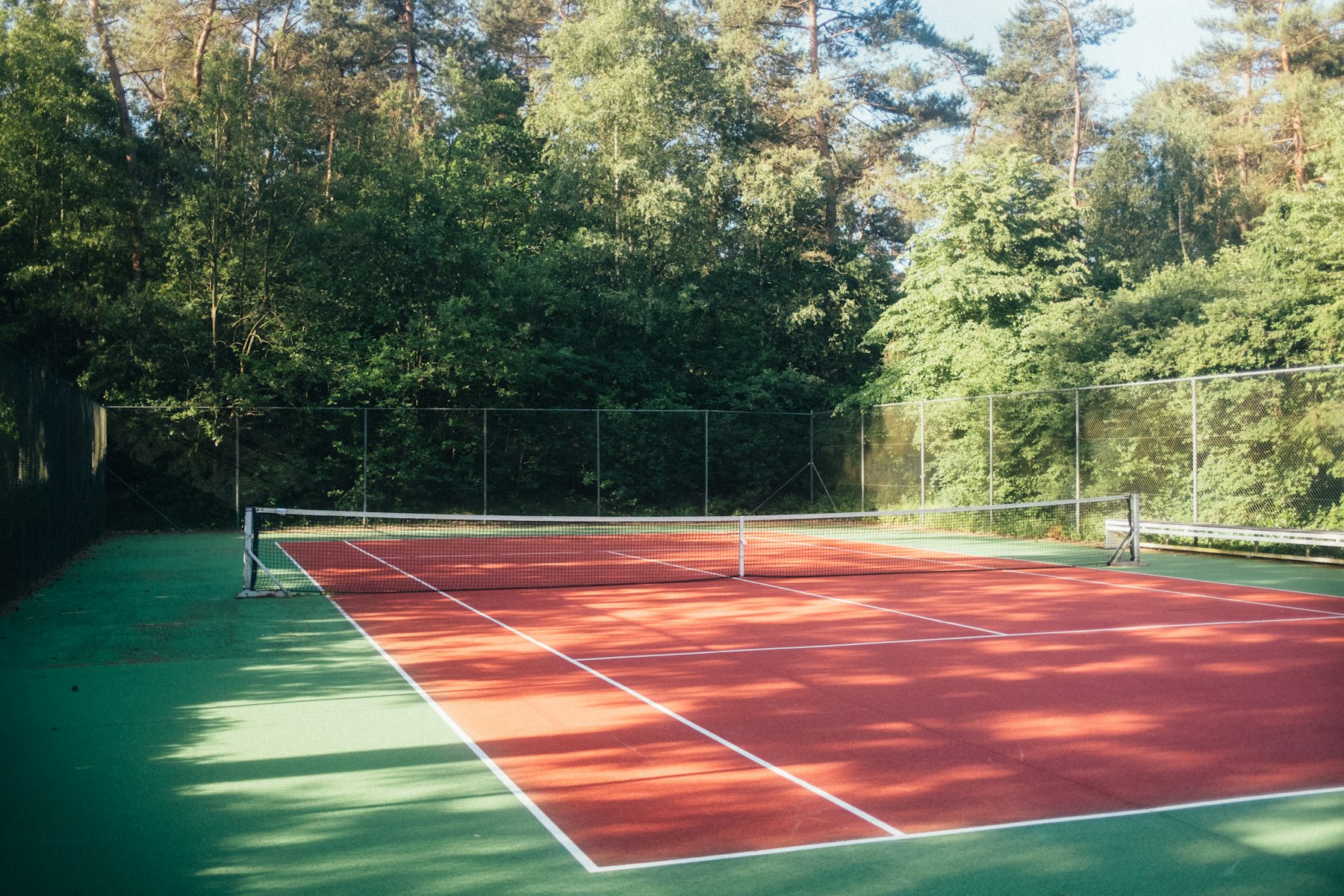
Hard court and cushioned acrylic tennis courts engineered for drainage, longevity, and a true ball bounce.
- ✓ Full & compact court sizes
- ✓ Cushioned surfacing available
- ✓ Engineered base and drainage
Resurface & Repair
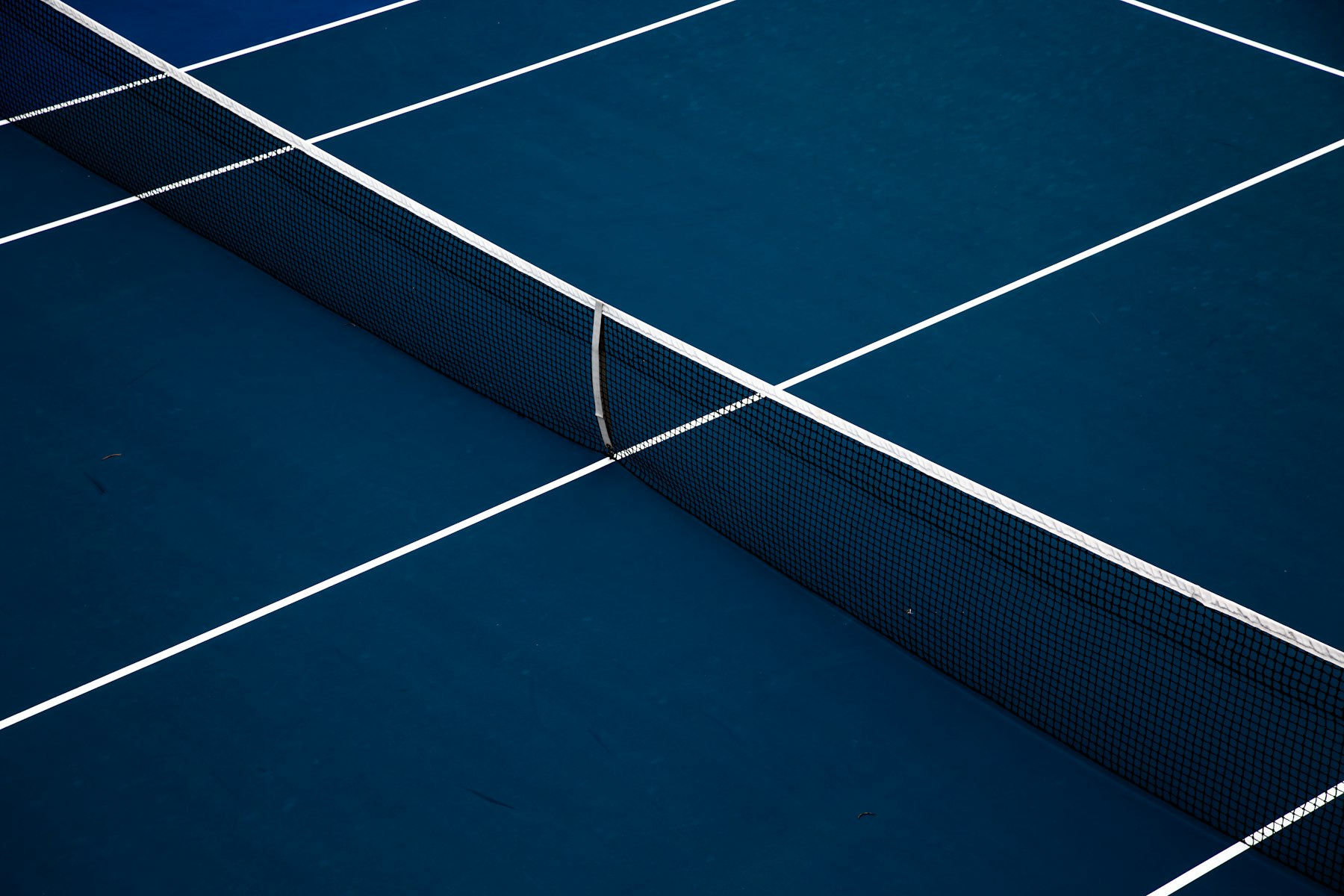
Crack repair, fresh color, and new striping that make a tired court play like new — without tearing out the base.
- ✓ Crack filling & patching
- ✓ Full acrylic recoat
- ✓ Re-striping to regulation
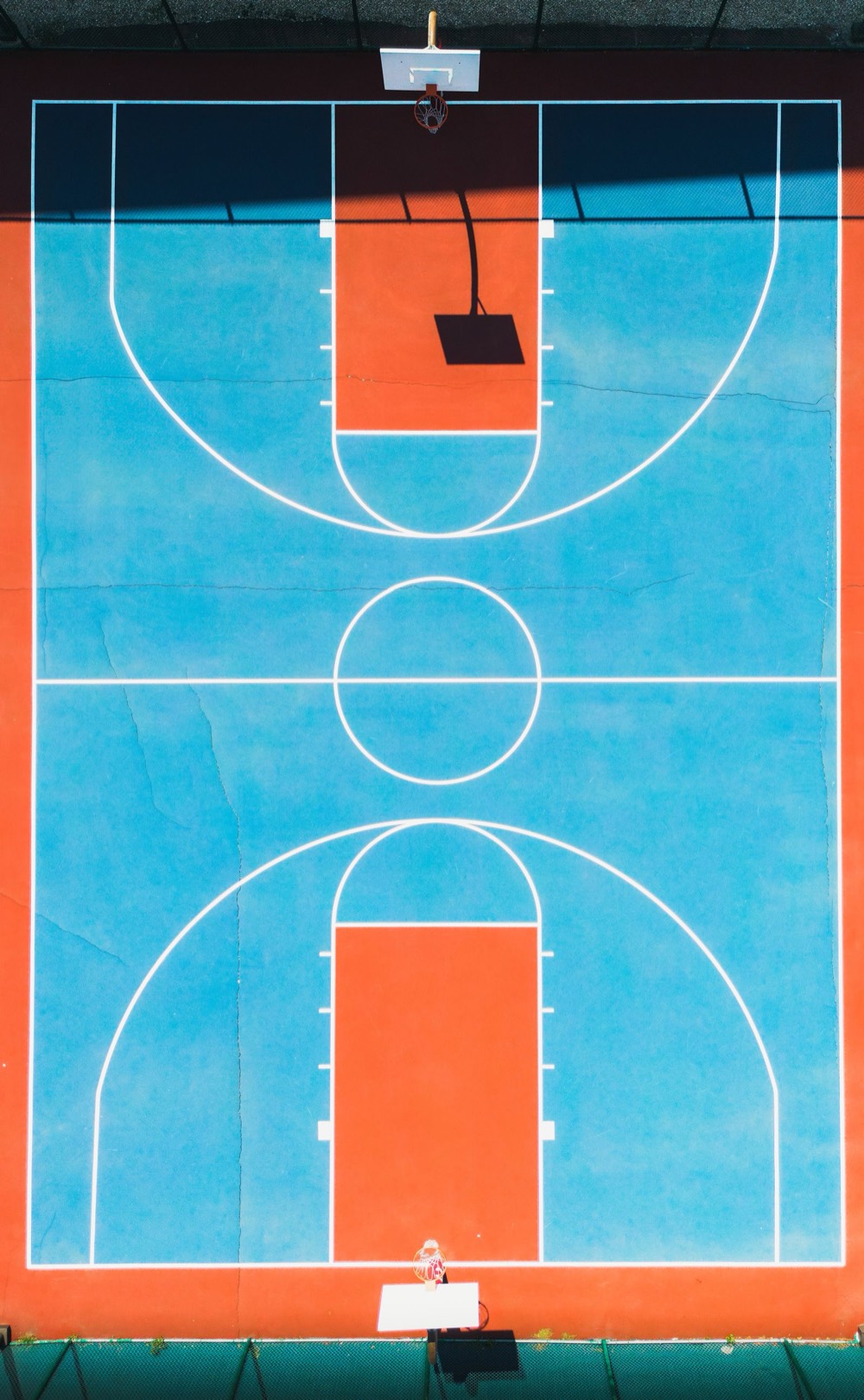
Basketball Courts
Regulation or custom, with bold colors, logos, and pro-grade hoops that play like the real thing.
Tennis → Pickleball
Convert an existing tennis court into one or more pickleball courts with new lines, nets, and dividers.
Fences and Court Lights
Perimeter fence, windscreen, and LED fixtures planned around the town height limit and the wire run back to the panel.
Multi-Use Courts
Smart layouts that blend pickleball, tennis, and basketball on one surface — without sacrificing a sport.
Line Painting
Precision striping to regulation specs or custom layouts, so every shot counts and every game feels legit.
Backyard Courts
Turn unused yard space into a court the whole family will use — sized and surfaced for the sports you love.
Seasonal Court Covers
Winter tarps for clay and acrylic courts — FieldSaver-class fabric in oz. See the covers guide for specs and a quote.
Court Consultation
Not sure what fits your yard or budget? We measure, advise, and quote before you commit to anything.
Real Courts. Real Results.
Site Visit, Permits, Then Construction
Measure the Lot
We record the pad area against setbacks and impervious coverage, and note slope, drainage, equipment access, and where the electrical panel sits.
Drawings and Permits
The plan shows court location, fence height if a fence is included, and pole locations if lights are part of the job. We file what that municipality asks for.
Build in Order
Excavation and the base come first, then cure time, acrylic, and lines. Fence posts and light-pole footings go in while the base is open, not after the color coat.
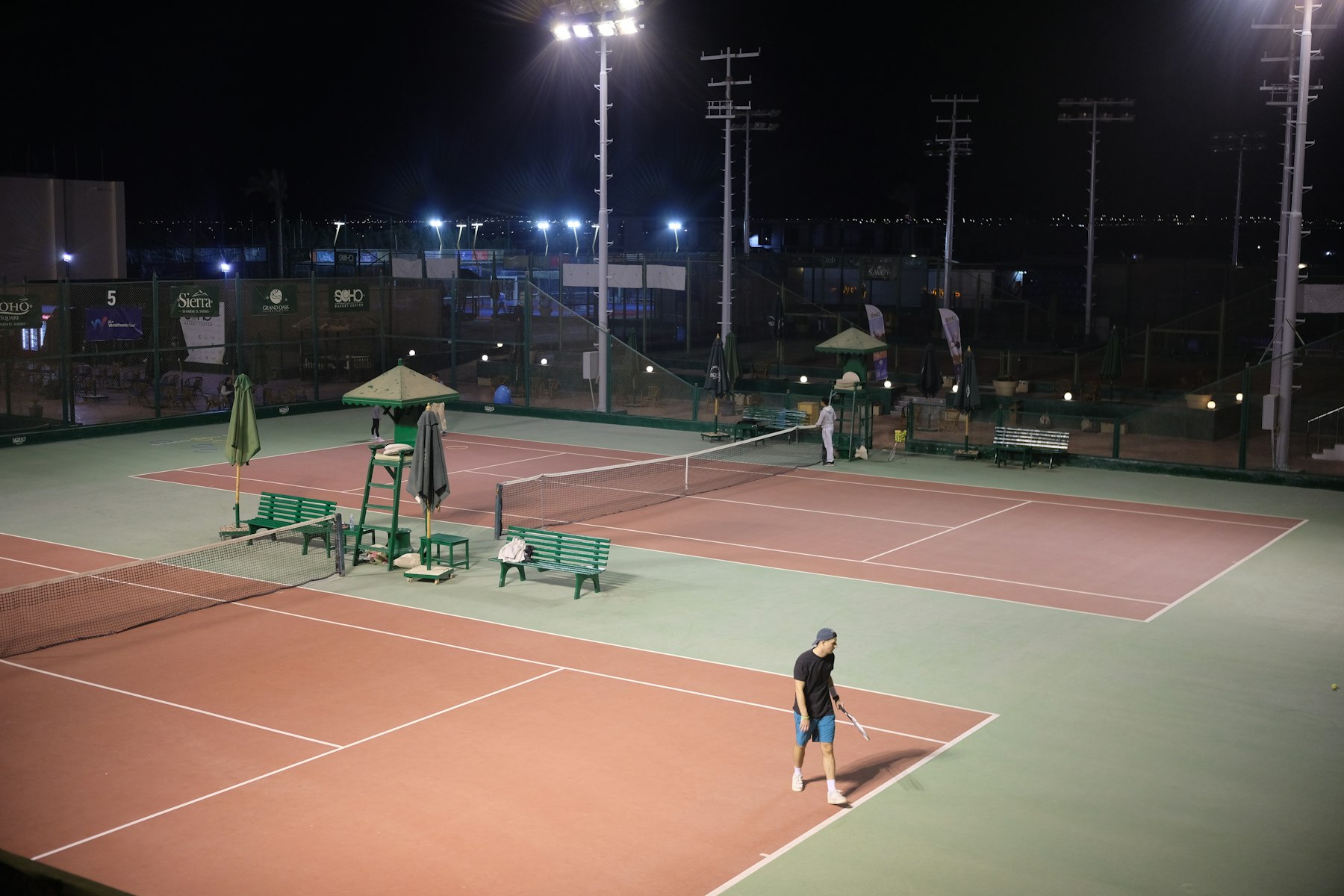
Fence Height and Court Lights
A sports fence is often taller than a typical yard fence, and new light poles are electrical work. Both are set with the slab layout, because New Jersey towns regulate fence height, setbacks, and light spill one municipality at a time.
Fence height
Pickleball and tennis enclosures are commonly planned near 10 feet where the ball has to stay on the pad. Chain-link and vinyl-coated mesh, with or without a windscreen, are the enclosures we quote. Some towns cap residential fences lower than that, so the height is checked against that municipality's schedule before the posts are ordered.
Light poles
Fixtures need a circuit back to the panel and an electrical inspection, separate from the slab inspection. Pole footings and conduit are placed while the stone base is open. Cutting them in later means patching a finished acrylic surface. Reviewers usually ask how the fixtures are aimed, because glare onto neighboring windows is a common condition of approval.
Courts for Schools, HOAs & Communities
Commercial-grade courts that stand up to daily use — design, planning, compliance, installation, and finishing handled as one turnkey project, on a schedule that works around your season.
Explore Commercial CourtsWe Build Across New Jersey
Frequently Asked
How much does tennis court installation cost in New Jersey?+
We don't publish a price list. A new tennis court in NJ is priced by excavation, the compacted base, acrylic surfacing, and striping — and cushioned surfacing, full fencing, or lighting add to it. Resurfacing an existing court is far cheaper than a new build. We give you a firm, itemized quote after a free on-site assessment rather than a phone estimate.
Do you repair tennis courts, or only build new ones?+
Both. Most of our work is repair and resurfacing — patching cracks, recoating faded surfaces, re-striping lines, and fixing drainage issues — because it costs a fraction of a full rebuild and can add a decade or more to a court's life. New construction is for courts that don't exist yet or bases that have failed structurally.
How much does it cost to build a pickleball court in New Jersey?+
Cost depends on site conditions, base preparation, surfacing, fencing, and lighting. A single dedicated pickleball court is quoted on excavation, a proper base, acrylic surfacing, net posts, and striping for your site. We provide a firm, itemized quote after a free on-site assessment.
How long does it take to build a tennis or pickleball court?+
Most residential court projects take a few weeks from groundbreaking to first serve, plus cure time for the base and surfacing. Weather, permitting, and site drainage are the biggest variables. We give you a realistic timeline up front and keep you updated at each stage.
Can you convert a tennis court into pickleball courts?+
Yes. One tennis court can be re-lined as more than one pickleball court, with new nets and, when the surface is worn, a fresh acrylic coat and dividers. Blended pickleball lines can also be added on a court that still needs to play tennis.
Do I need a permit to build a court in New Jersey?+
Most NJ municipalities require permits for a new court, and some have setback, fencing-height, and lighting restrictions. We handle the permitting and zoning process for you and design the build to meet local code.
What areas of New Jersey do you serve?+
We build and resurface courts across northern and central New Jersey, including Bergen, Essex, Monmouth, Morris, and Hudson counties. Not sure if you’re in our area? Send us your location and we’ll let you know.
Get a Free Court Estimate
Tell us about your project — new build, resurface, or conversion — and we’ll get back to you to schedule a free on-site assessment.