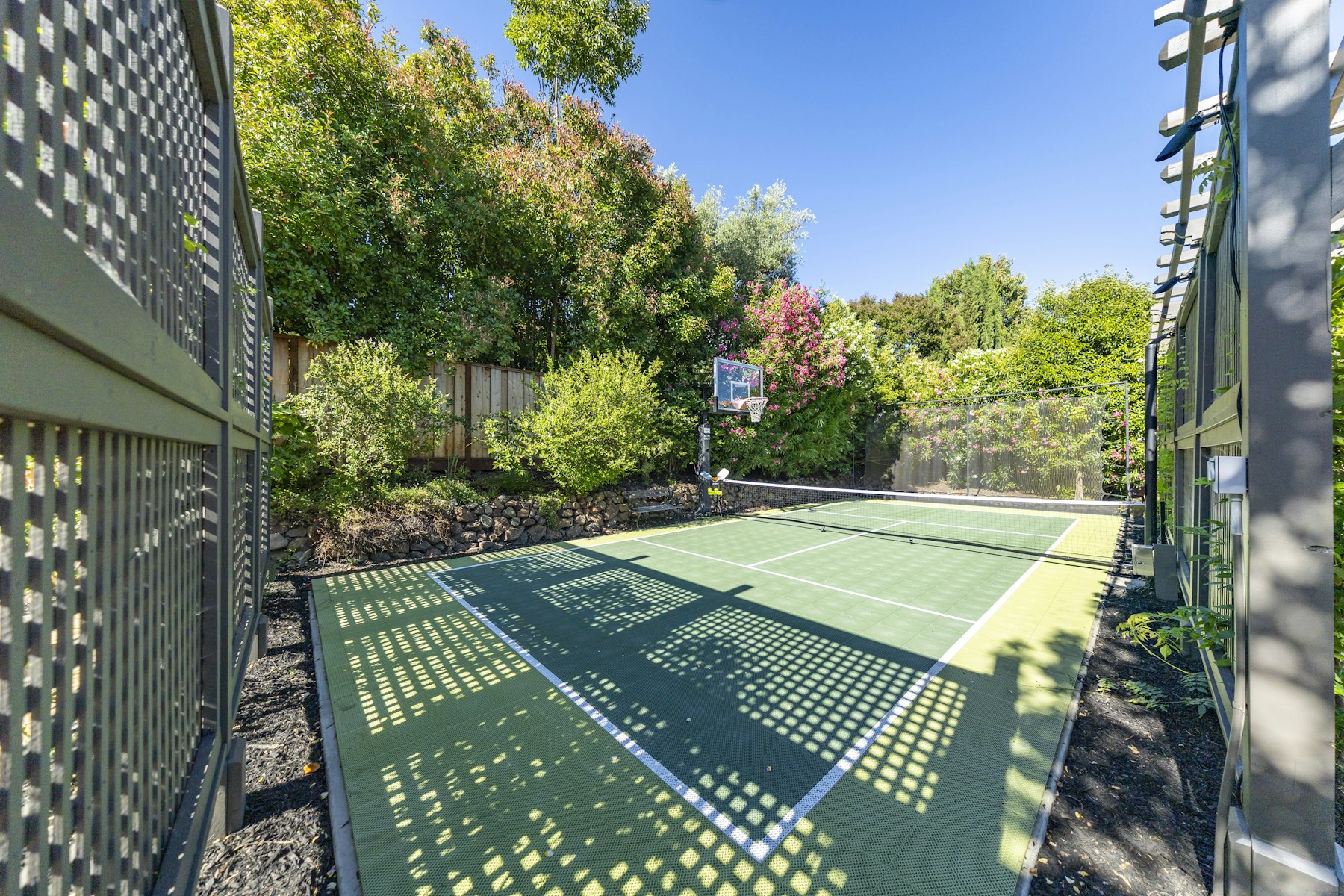
How Long Does It Take to Build a Pickleball Court in New Jersey?
A realistic, phase-by-phase timeline — permitting, base, concrete cure, surfacing, and fencing — plus why post-tension takes longer than asphalt and what causes delays in NJ.
Get an Installation Quote →Plan on roughly 5–8 weeks of active construction for a New Jersey pickleball court, plus 3–8 weeks of permitting before ground breaks. Post-tension concrete runs toward the long end because the base needs about a 28-day cure and the tensioning cables are stressed partway through it; asphalt skips that step and can finish in 3–5 weeks. Total start-to-play time is usually 2–4 months. NJ Court Pros manages permitting through the final coat and gives you a realistic schedule before you sign anything.
The Build Timeline, Phase by Phase
Permitting & Zoning — 3–8 weeks
Site plan, setback and impervious-coverage review, and building permits before any digging. Timelines vary widely by municipality, so this is the phase worth starting earliest — ideally over the winter.
Excavation & Base — 1–2 weeks
Clearing, excavation, grading for drainage, and compacting the sub-base for a roughly 30x60 ft pad. Tighter backyard access can stretch this phase more than it would on a tennis-sized court.
Concrete Pour, Tension & Cure — ~4 weeks
Pour the post-tension concrete slab, stress and tension the cables about 1–2 weeks in, then wait out the rest of the roughly 28-day cure before surfacing. This is the longest single step and the one that cannot be rushed.
Surfacing & Striping — 1 week
Multiple acrylic or cushioned-acrylic coats, color, and regulation kitchen-line striping, each needing dry weather and cure time between coats before the court is playable.
Fencing & Net Posts — few days
Perimeter fencing, gates, wind screens, and permanent net post footings. Often overlaps with the tail end of surfacing.
Lighting (optional) — few days
LED poles and wiring for evening play. Footings are usually set with the base, with fixtures and wiring finished near the end.
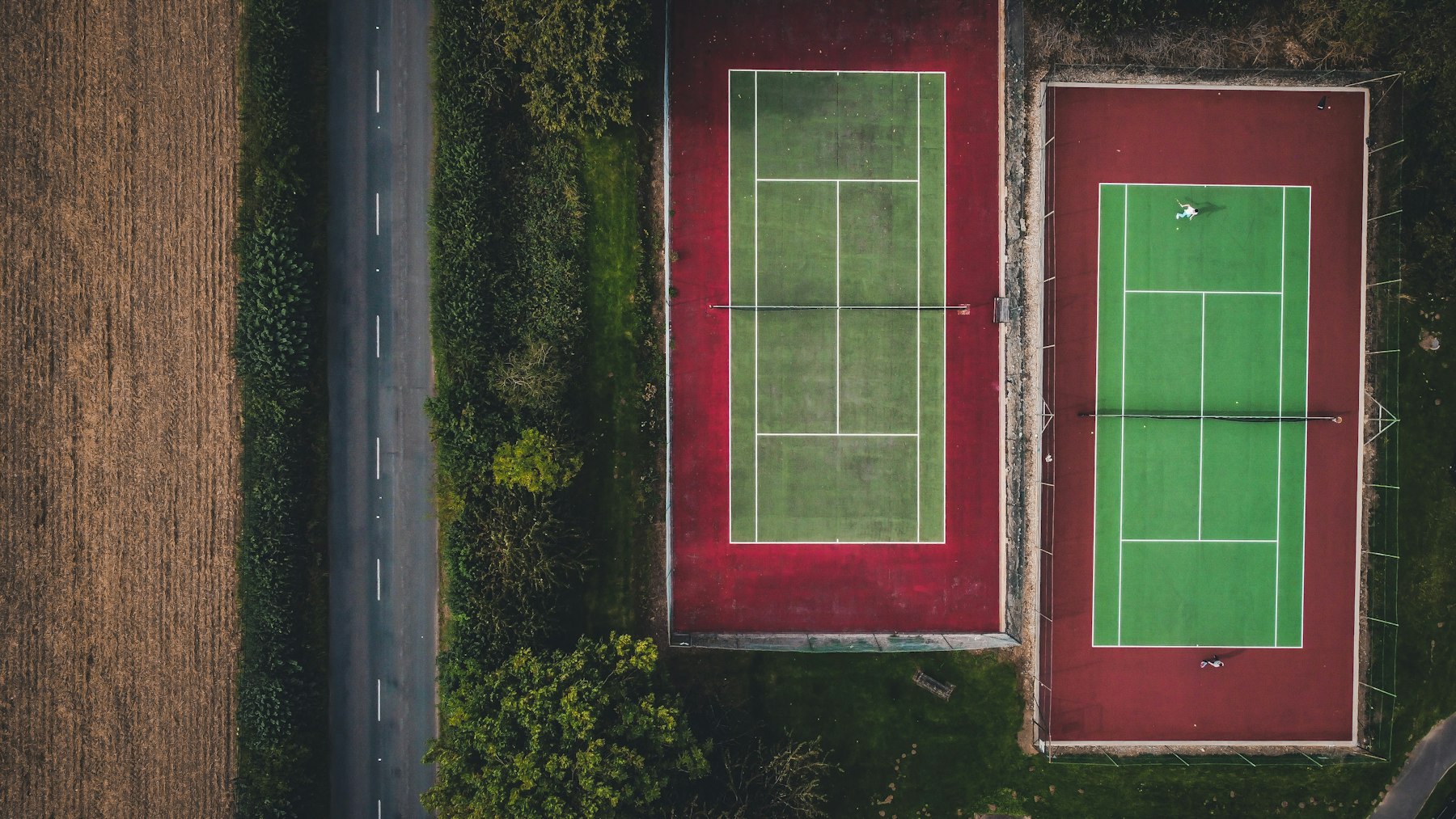
The Cure Is Still the Long Pole
A pickleball pad is smaller than a tennis court, so excavation and surfacing move a bit faster — but the concrete cure runs on its own clock regardless of slab size, and that's what actually sets the pace.
- ✓ Permitting runs 3–8 weeks before ground breaks
- ✓ Active construction is 5–8 weeks
- ✓ Post-tension adds cure time asphalt skips
Why Post-Tension Takes Longer Than Asphalt
Both base types start the same way — excavate, grade, compact — but they part ways once the base material goes in. Asphalt needs a shorter curing window, typically a couple of weeks, before it can take an acrylic coating, which is why an asphalt build can be surfaced and playable in 3–5 weeks of active construction.
Post-tension concrete is a different sequence. After the slab is poured, it cures for roughly a week or two before a crew stresses and tensions the steel cables running through it — the step that squeezes the slab together and is a large part of why post-tension resists New Jersey's freeze-thaw cracking so much better than asphalt. The slab then keeps curing for the rest of the roughly 28-day window before it's strong enough for the acrylic system to bond safely. Surface too early and you trap moisture under the coating, which shows up later as bubbling or peeling. That combination of tensioning-plus-cure is why a post-tension build typically runs 5–7 weeks against asphalt's 3–5.
Most owners building a court meant to last decades accept the extra few weeks — see our post-tension vs. reinforced concrete guide for the full trade-off, and our concrete vs. asphalt base comparison for how that decision plays out on cost and lifespan, not just schedule.
Timeline at a Glance
Before Ground Breaks
3–8 weeks — permitting, zoning review, and scheduling. Best handled over winter so construction can start as soon as spring weather allows.
Active Construction
5–8 weeks — excavation and base, the concrete cure (longer for post-tension), surfacing, fencing, and net posts, weather permitting.
Total, Start to First Serve
Roughly 2–4 months from application to a playable court, depending on your town, base choice, and the season.
Timelines are typical for New Jersey and vary with municipality, site conditions, base choice, and the weather. A site visit lets us give you a realistic schedule for your project.
Want a Realistic Schedule for Your Court?
Tell us your town and site and we'll map out permitting, construction, and a target play date — with a fixed quote after a visit.
Request a Quote →What Causes Delays — and How to Avoid Them
The most predictable delay is still permitting. Zoning setbacks, impervious-coverage limits, and site-plan review vary town to town, and a pickleball pad near a wetland or in a flood zone can add extra review. Starting the permit process well before you want to break ground — ideally over the winter — keeps it off the critical path. See our guide to pickleball and tennis court permits and zoning in New Jersey for what that review actually involves.
Weather is the next factor, and it hits pickleball builds the same way it hits tennis: concrete cures poorly in the cold, and acrylic coatings need dry weather above roughly 50°F. That's why NJ courts are usually built spring through fall. See our best time of year to build a court in New Jersey guide for lining up your permit timeline with the construction season.
Where pickleball builds sometimes lose more time than a tennis court is access. A tennis pad needs a roughly 60 × 120 ft footprint with equipment room around it; a pickleball pad is closer to 30 × 60 ft, which means it more often gets tucked into a tighter side yard or a corner of a smaller property. Squeezing excavation and concrete equipment through a narrow gate or around existing landscaping can add real days to the base phase even on an otherwise straightforward site. A flat, well-draining lot with a clear equipment path moves fastest; see our guide to preparing your yard for court construction for what to clear before the crew arrives. Fencing, lighting, and other upgrades can also be pushed to a later phase if you need to compress the initial build — our guide to building a court in phases covers what's safe to defer. For the full process end to end — space, permits, base, surfacing, and fencing in order — see our step-by-step guide to building a backyard pickleball court in NJ.
We Build Pickleball Courts Across New Jersey
Bergen County
Residential, club, and HOA pickleball court construction throughout North Jersey.
Bergen County court installation →Essex County
New builds and resurfacing for Montclair, the Oranges, and surrounding towns.
Essex County court installation →Monmouth County
Shore-area residential and facility court construction and recoating.
Monmouth County court installation →Morris County
Court installation for Morristown, Madison, Chatham, and nearby communities.
Morris County court installation →Hudson County
Space-efficient builds and slab surfacing for Hoboken and Jersey City.
Hudson County court installation →Pickleball Court Build Timeline FAQs
How long does it take to build a pickleball court in New Jersey?+
From breaking ground to first serve, a typical New Jersey pickleball court takes about 5–8 weeks of active construction, plus a permitting phase before that of roughly 3–8 weeks depending on the town. A post-tension concrete build runs closer to 6–8 weeks because of the cable-tensioning step and the longer cure; an asphalt base can finish in 3–5 weeks. Add the permitting window and a realistic start-to-play range is 2–4 months.
Why does post-tension concrete take longer than asphalt for a pickleball court?+
Post-tension concrete needs about 28 days to cure to full strength, and the steel cables running through the slab are stressed and tensioned roughly 1–2 weeks into that cure window — a step asphalt skips entirely. That combination of cable work plus a longer cure is why a post-tension build typically runs 5–7 weeks versus 3–5 weeks for asphalt. The trade-off is that post-tension resists New Jersey freeze-thaw cracking far better, so most owners building for the long term accept the extra time.
How long does the concrete need to cure before surfacing a pickleball court?+
A concrete pickleball court base — post-tension or standard reinforced — generally needs about 28 days to cure before the acrylic surface system goes down. Surfacing over concrete that hasn't fully cured traps moisture underneath the coating and causes bubbling or adhesion failure later. Asphalt bases need a shorter curing period, usually a couple of weeks, which is one reason asphalt builds can finish faster overall.
What can delay a pickleball court build in New Jersey?+
The most common delays are permitting and zoning review (which varies widely town to town), rain or freeze-thaw weather that halts excavation or concrete work, a sloped or poor-draining lot that needs extra grading, and tight equipment access on a smaller backyard lot. Because a pickleball pad is smaller than a tennis court, access is sometimes the bigger factor for backyard builds — a narrow side yard can add real time to the excavation phase even on an otherwise simple site.
Is a pickleball court faster to build than a tennis court?+
A little, mainly because the pad is smaller — roughly 30 × 60 ft versus 60 × 120 ft for tennis — which trims a few days off excavation, grading, and surfacing. The base cure time is identical either way: concrete cures on its own schedule regardless of the slab's size. So the total timeline difference between a pickleball and tennis build is usually measured in days, not weeks.
When is the best time of year to start a pickleball court build in NJ?+
Late spring through early fall gives the widest weather window in New Jersey. Concrete cures reliably in warm weather and acrylic surfacing needs dry conditions and temperatures generally above about 50°F. Starting the permitting process over the winter lets construction begin as soon as the ground and weather cooperate in spring, instead of losing weeks waiting on a permit after the good weather has already started.
Planning your project? See pickleball court installation cost in NJ, pickleball court dimensions & space requirements, court permits & zoning, and sport court surface types.
Get a Pickleball Court Installation Quote
Tell us your location and site, and we'll set up a visit, map out a realistic permitting and construction schedule, and send a fixed quote.
Request a Quote →