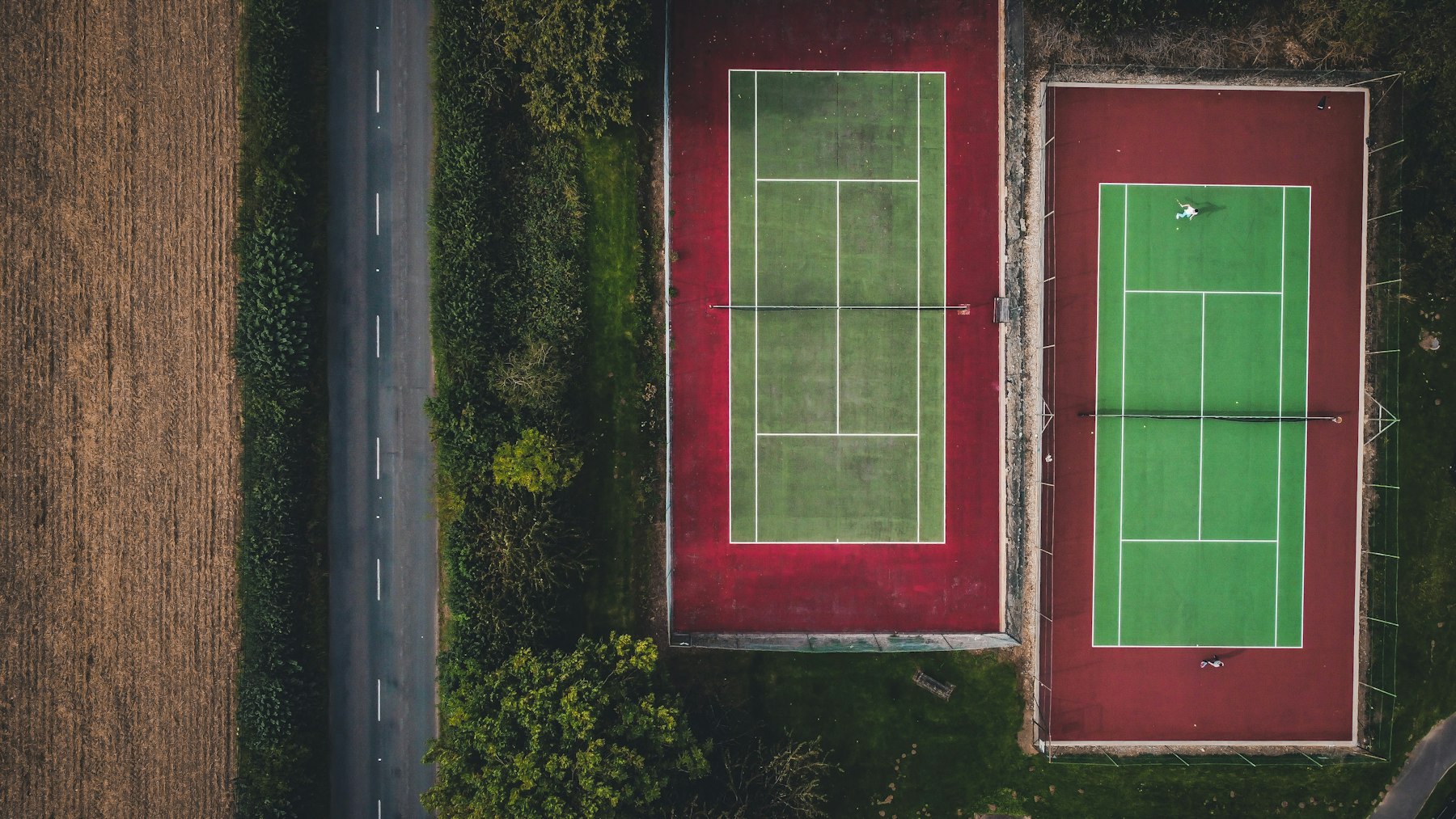
Building a Court in Phases
Not every homeowner wants to write one check for base, surface, fencing, and lighting at once. Here's what can actually be split across budget years, and what can't.
Plan a Phased Build →The base and initial surfacing have to happen together, in one project — that part isn't optional to split. Fencing, lighting, a cushioned-surface upgrade, and shade structures genuinely can wait for a later budget year, since they attach to a finished court rather than becoming part of it. The catch: splitting the project costs more overall through a second mobilization fee and a season or two of price drift, so phase deliberately, not by default.
Phase One: The Part You Can't Split
Excavation, grading, drainage, and the base pour are one engineered system, not a set of separate tasks you can stagger across seasons. A post-tension concrete or asphalt base is designed and poured as a unit — coming back a year later to extend it, adjust its slope, or tie a new section into a cured slab isn't a smaller version of the same job, it's a much harder and more expensive one, and it risks the drainage slope that keeps water off the surface.
Surfacing is the other half of phase one, and it has its own hard constraint: a new asphalt base needs roughly two to four weeks minimum before acrylic surfacing goes on, with many builders holding out closer to 30 days so the asphalt's residual oils cure out and rinse away with rain rather than getting sealed under a coating. Surface too early and the coating can fail to bond properly, which shows up as peeling or delamination within a season or two — a repair that costs more than the few weeks of patience would have. Concrete has its own cure window before it's ready for coating. Either way, the wait is part of phase one, not a separate phase — the court isn't done until the surface is properly bonded on top of a fully cured base.
Sleeves and Footings Are Cheap Insurance
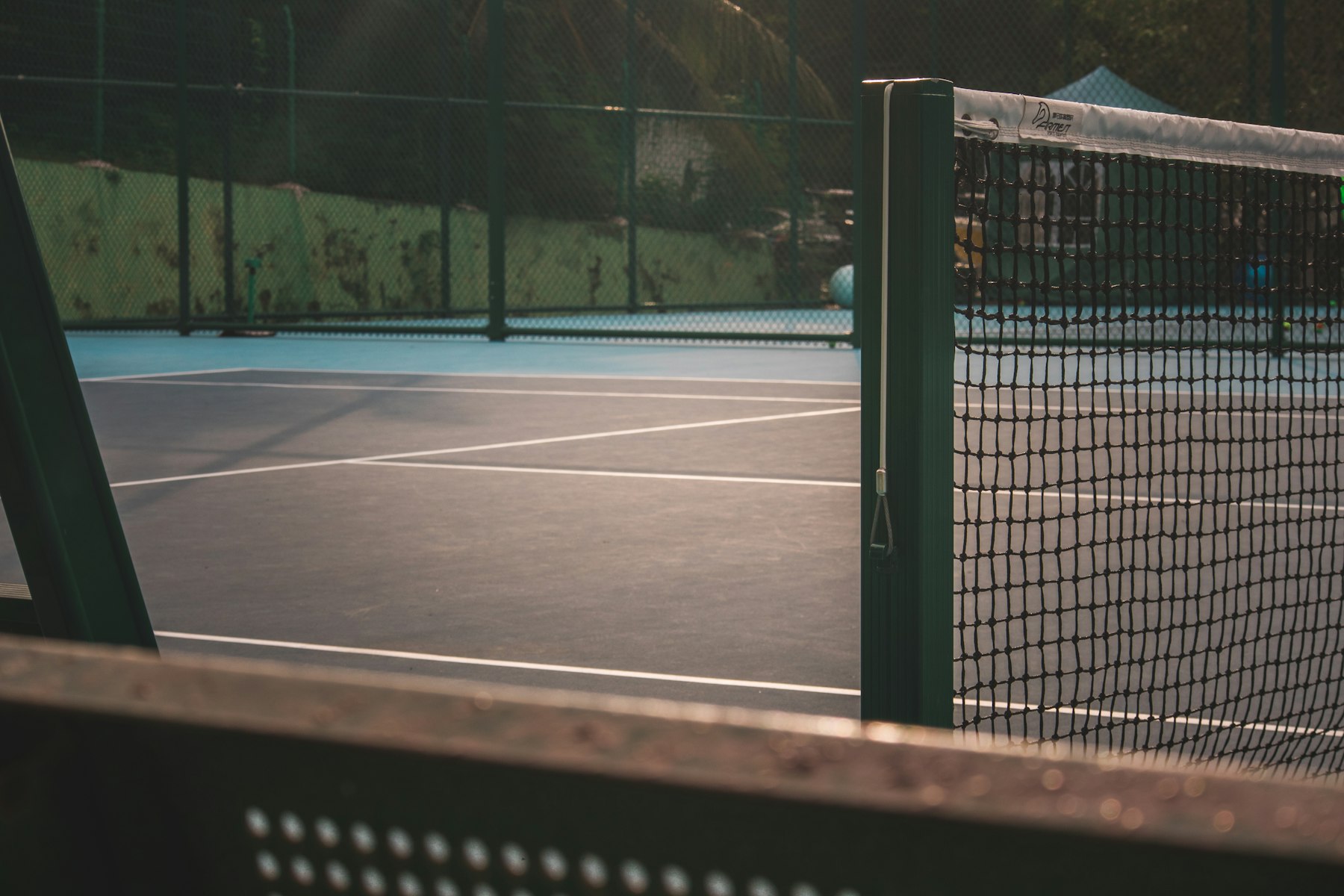
If lighting or fencing is even a maybe for later, set the conduit sleeves and pole footings during the base phase. Cutting into a finished, surfaced court to add them later costs far more than a few extra feet of empty conduit does today.
- ✓ Conduit sleeves for future lighting
- ✓ Footings poured with the base
- ✓ Fence post holes marked, even if unset
What Can Genuinely Wait
Once the base is down and surfaced, the court is a finished, playable structure — everything after that point attaches to it rather than becoming part of it. Perimeter fencing and lighting are the most common deferred items, and both can be added a season or several later without disturbing the surface, as long as footings or conduit sleeves were set during the base phase. A shade structure or pergola is the same story — it's a standalone addition, not a dependency of the court itself.
Surface upgrades work the same way. If budget forced a standard acrylic surface in year one, adding a cushioned overlay later is realistic during the court's first scheduled resurfacing cycle rather than something you have to get right immediately. Windscreens, a color-coating upgrade from single-tone to two-tone, and accessories like benches or a water station are all easy to bolt on whenever the budget allows — see our guide to court accessories and finishing touches for what typically gets added in a second pass.
The one item worth deciding early even if you're not installing it yet is lighting sleeves — see our court lighting cost guide for what a full system eventually runs, so you can size the conduit for it now rather than guess.
What Splitting the Project Actually Costs You
Phasing isn't free. Every return trip means a new mobilization — trucking equipment back to the site, re-establishing access, and often a smaller crew working a smaller job, all of which cost more per line item than the same work bundled into the original build. Materials and labor also don't hold still between phases; a fencing and lighting package priced against this year's numbers can run higher a year or two out, and there's no way to lock that in without a signed contract for the later phase up front.
There's also a scheduling cost that's easy to underestimate: a second-phase project has to get back in a contractor's calendar, and good crews book out weeks or months in advance in-season — see our guide on the best time of year to build for how tight that window already is for a single project, let alone two. None of this means phasing is a bad call — for a lot of NJ homeowners it's the difference between building this year and waiting three more to save up for everything at once. It just means going in with the real math, not the assumption that splitting the job splits the total cost evenly.
Where phasing works best is when the deferred items are genuinely optional upgrades rather than things you're quietly hoping to skip. A court with a finished base and surface but no lighting is still a fully functional daytime court. A court with an unfinished, uncured base is not a functional anything — which is exactly why that part isn't up for negotiation on the schedule.
Plan Your Build Around Your Budget, Not the Other Way Around
Tell us what you want eventually versus what you need this year — we'll size the base and conduit runs so the later phases bolt on cleanly when you're ready.
Request a Quote →Related Guides
Financing a Court Installation in New Jersey
HELOCs, contractor financing, deposits, and draw schedules for spreading out the cost a different way.
Court Fencing & Lighting Installation in NJ
What a fencing and lighting package costs when you're ready to add it as a second phase.
How Long Does a Tennis Court Take to Build?
The single-project timeline this guide assumes for phase one — permitting through cure time.
Concrete vs. Asphalt Court Base in NJ
The base decision that has to be right the first time, since it isn't revisited in a later phase.
Phased Court Construction FAQs
Can you build a court in phases to spread out the cost?+
Yes, within limits. The base — excavation, grading, drainage, and the concrete or asphalt slab — has to happen as one continuous project because it's a single engineered system. What you can genuinely defer to a second phase is fencing, lighting, a cushioned surface upgrade, windscreens, or a shade structure. Those bolt onto a finished, surfaced court without touching the base.
Is it cheaper to build everything at once, or split it into phases?+
Building everything in one mobilization is almost always cheaper per dollar spent, because the crew, equipment, and site setup are shared across every line item. Splitting the project across years adds a second mobilization fee and exposes you to a season or two of price increases on materials and labor. Phasing makes sense when it's the difference between building now versus waiting years to save up — not as a way to save money outright.
How long can a surfaced court sit without fencing or lighting before it's a problem?+
A properly cured and surfaced slab doesn't degrade just from sitting unfenced or unlit — the surface itself is done at that point. The practical risk is balls leaving the property, debris blowing onto the court, and no play after dark, not damage to the court itself. Most homeowners who phase a project add fencing within the first season once they see how the court actually gets used.
Does asphalt really need to cure before it can be surfaced?+
Yes — new asphalt needs roughly two to four weeks minimum before acrylic surfacing goes down, and builders often recommend waiting closer to 30 days so residual oils in the asphalt have time to cure out and rinse away with rain. Surfacing too early is a common cause of coating that doesn't bond properly and fails within a season or two, which is a far more expensive fix than waiting.
What should be locked into the first phase no matter what?+
Anything below or embedded in the surface: excavation, drainage, the base pour, and any conduit sleeves or footings for lighting and fencing you know you'll eventually want. Adding a light pole footing or a conduit run after the surface is down means cutting into a finished court — it's far cheaper to set an empty sleeve during the base phase even if the lights themselves are a year or two away.
Get a Phased Build Quote
Tell us your budget timeline and we'll lay out exactly what goes in phase one, what can wait, and what to pre-wire for so later phases don't cost more than they should.
Request a Quote →