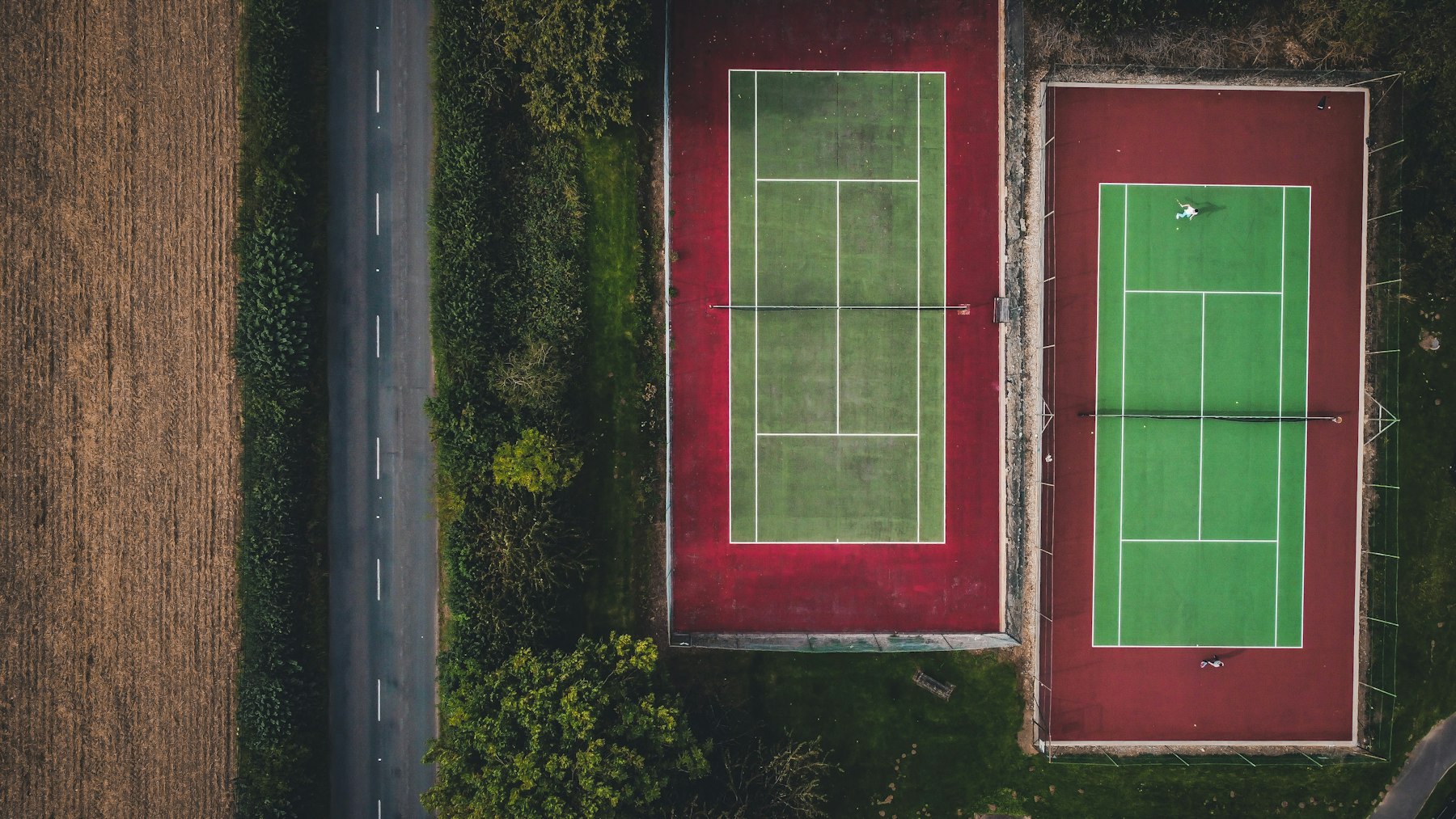
HOA & Community Amenity Court Installation
Adding a pickleball or tennis court as a shared amenity for your community — retrofit vs. new build, funding through reserves or assessment, and how the board process actually runs in New Jersey.
Get a Board Presentation Quote →This page is for HOA and condo boards adding a shared court as a common-area amenity — different from getting board approval to build a court on your own private lot (see our HOA approval guide for that). Retrofitting a sound existing tennis court with pickleball lines is the cheapest path; a new dedicated court costs considerably more, and a 2–4 court community complex is priced by court count, with shared base work lowering the per-court cost. Before any of that, most associations need to confirm resident demand, review their governing documents on common-area changes, and line up funding — reserve fund, operating budget, or special assessment — before a vendor is chosen. NJ Court Pros builds and retrofits community courts for HOAs across New Jersey and can walk a board through the process.
Not the Same as HOA Approval for a Private Court
If you're a homeowner trying to get your association's architectural review committee to approve a court on your own lot, that's a different process — see our getting HOA approval for a backyard court guide. This page is for the association itself: the board (or a resident committee bringing a proposal to the board) adding a court to a common area the whole community shares.
Why NJ Associations Are Adding Pickleball
Pickleball demand has outpaced court supply in a lot of New Jersey communities that were built with one or two rarely-used tennis courts and nothing else. Community-association industry publications covering this trend consistently flag the same pattern: boards get resident requests before they get a budget line, and the conversation usually starts informally — a petition, a comment at an annual meeting, a committee proposal — before it becomes a real capital project. Handling that request well starts with confirming actual demand rather than assuming a vocal group speaks for the whole community; a short resident survey before committing money is standard advice across HOA management guidance, and it also becomes useful documentation if a funding vote is needed later.
The other recurring theme in how associations approach this: retrofit vs. new build is treated as a real fork, not a formality. If an existing tennis court is structurally sound but underused, converting it — full resurface, dedicated pickleball lines and colors, and fixed net posts, or simply blended lines with portable nets for a lower-cost interim step — is the path most management and legal guidance for associations points to first, because it reuses the existing base rather than paying for one twice. If the tennis courts are already failing or there's no existing court to repurpose, that's a different, larger conversation about new construction.
The Base Is the Expensive Part — Don't Pay for It Twice
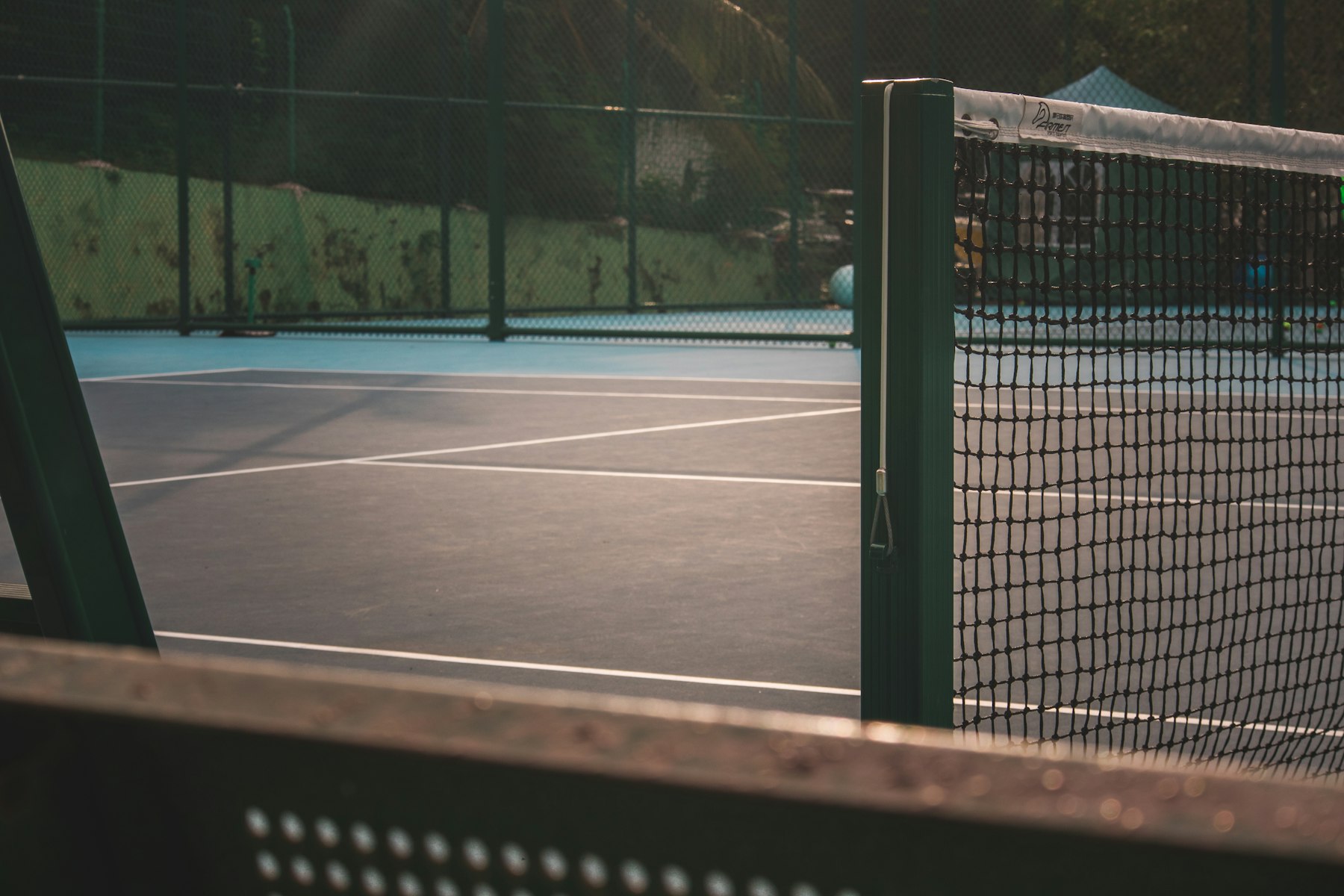
A sound existing tennis court's base and drainage are the most expensive part of any court to build. Converting it for pickleball reuses that investment; building new means starting over.
- ✓ Blended lines on a sound court: the lowest-cost option
- ✓ Permanent conversion (resurface + dedicated lines): priced by layout and court condition
- ✓ New dedicated pickleball court: quoted per site
- ✓ 2–4 court new community complex: shared base work lowers per-court cost
Funding the Project: Reserve, Operating Budget, or Assessment
Before a board talks to a contractor, it needs to know where the money is coming from — this is the step that derails more community court projects than any construction issue does. Community-association management guidance points to three realistic sources. If a court or general recreational improvement was contemplated in the association's reserve study, the reserve fund can cover it without a resident vote in many governance structures. If it wasn't planned for, the operating budget may have room in a given year, though most associations don't have tens of thousands of dollars of slack in an annual operating budget for a project this size. The remaining option is a special assessment — a one-time charge to residents — which is also usually the option that requires the most process: a board vote, sometimes a membership vote depending on the governing documents, and clear communication about why the assessment is happening and what it buys.
Whichever path applies, the board's governing documents — bylaws and CC&Rs — are the actual authority here, not a general rule of thumb. Some boards can approve and fund a common-area capital improvement within existing authority; others are required to bring anything above a set dollar threshold to a resident vote. Reviewing those documents before a proposal goes out to residents, rather than after, avoids having to redo a funding plan mid-project.
What the Board Process Usually Looks Like
1. Gauge real demand
A short resident survey or sign-up sheet before committing budget — separates a genuinely popular amenity request from a small group's preference, and documents the case if a vote is needed later.
2. Review governing documents
Confirm what the bylaws and CC&Rs require for a common-area capital project: board authority alone, or a resident vote, and at what dollar threshold.
3. Assess retrofit vs. new build
Have a contractor evaluate any existing court's base and drainage before deciding between converting it and building new — this changes the budget by tens of thousands of dollars.
4. Line up funding
Reserve fund, operating budget, or special assessment — decided and, if required, voted on before a contract is signed, not during construction.
5. Get contractor bids
Licensing, insurance, and warranty terms matter more on a shared community asset than a private backyard court, since the association carries the ongoing liability.
6. Set usage and maintenance policy
Reservation hours, guest policy, noise curfew, and who budgets for the next resurfacing cycle — settled before opening day, not after the first neighbor complaint.
Bring a Real Number to Your Board Meeting
We'll assess your existing tennis court (if you have one), give you retrofit and new-build pricing side by side, and provide the documentation a board or reserve committee needs to move a proposal forward.
Request a Quote →Insurance, Liability, and Noise — What Changes for the Association
Adding a recreational amenity to common property is a coverage question, not just a construction one. Most associations need to notify their liability carrier when a new recreational facility goes onto common land, since the association — not an individual homeowner — is now responsible for injuries on that court, fence and lighting upkeep, and general premises liability. This is worth confirming with the association's insurance agent before construction starts, not after the court opens. Our court construction insurance guide covers what changes on a policy once a court is built, from the contractor side and the ongoing-ownership side.
Noise is the other issue that shows up after installation more than during planning. Pickleball's paddle-on-ball pop carries further and at a more distinct frequency than a tennis rally, which matters more on a shared community court used by more households at more hours than a single backyard court ever would be. Court orientation, buffer landscaping, and a sensible reservation policy with posted hours head off most of this before it becomes a resident complaint — see our pickleball court noise reduction guide and noise complaint and nuisance law guide for how that plays out legally in New Jersey.
Single Court, Multiple Courts, or a Complex?
A smaller HOA converting one underused tennis court is a fundamentally different project than a larger community planning a dedicated 4-court battery. If the community already has one or two tennis courts and demand is moderate, a conversion or a single new dedicated pickleball court is usually the right scale — it's the fastest to approve, the cheapest to fund, and the easiest to reverse if demand doesn't hold up. If the association is planning for a larger, more active amenity with tournament play or heavy weekend use across a bigger community, a purpose-built multi-court complex is worth pricing from the start, since shared excavation and mobilization make each additional court cheaper than building single courts one at a time later.
Either way, the deciding factor for most boards ends up being the same: what does the existing site actually support, and what can the association realistically fund without overreaching on a first amenity project. A phased approach — retrofit or build one court now, plan for expansion if demand holds — is a reasonable way to de-risk the first vote. See our phased court construction budget guide for how that staging typically works.
Related Guides
Getting HOA Approval for a Backyard Court
For an individual homeowner seeking board approval on their own lot — a different process from this page.
Multi-Court Complex Installation in NJ
Cost and layout for a larger 2–4 court community build.
Converting a Tennis Court to Pickleball
Retrofit pricing and process for reusing an existing community tennis court.
Court Construction Insurance in NJ
What coverage changes when the association, not a homeowner, owns the finished court.
Pickleball Court Noise Reduction in NJ
Design and orientation choices that head off neighbor complaints before they start.
Phased Court Construction Budget
Staging a build across budget cycles instead of funding everything at once.
HOA & Community Court FAQs
How much does it cost for an HOA to add a pickleball court as a community amenity?+
It depends heavily on whether the association is retrofitting an existing tennis court or building new. Adding blended pickleball lines and portable nets to a sound existing tennis court is the cheapest path, and a proper resurface-and-restripe costs more than line work alone. A full new dedicated court built from scratch costs considerably more. A 2- to 4-court community complex, which is the more common amenity scale for an HOA, is priced by court count and costs less per court than standalone builds, because base work and mobilization are shared across courts. The honest number for your community is a site visit — existing slab condition changes the math more than anything else.
Does an HOA need a resident vote to add a court amenity?+
It depends on the association's governing documents, not a single New Jersey rule. Some boards can approve common-area capital improvements within their existing authority and budget; others require a membership vote, especially if the project needs a special assessment or a reserve-fund draw above a certain threshold. The board's first step should always be reviewing its own bylaws and CC&Rs before committing to a project or a vendor, not assuming board approval alone is enough.
How does an HOA pay for a new community court?+
Three common paths: drawing from the operating account if the association already budgeted for capital improvements, drawing from the reserve fund if a court was contemplated in the reserve study, or raising a special assessment from residents if neither covers it. Associations that add pickleball without planning the funding source in advance are the ones that end up mid-project with a budget gap — lining up financing before signing a contractor is worth the delay.
Should our HOA retrofit an existing tennis court or build a new pickleball court?+
If the existing tennis court's base and drainage are sound, retrofitting is almost always the cheaper and faster path, since the base is the most expensive part of any court and retrofitting reuses it. If the tennis court sees little use and the base is failing, or if the association wants to keep tennis playable while adding pickleball, a new dedicated build (or a multi-court complex) is the better long-term investment. This is a site-specific engineering question as much as a budget one — a contractor should assess the existing slab before the board commits to either direction.
What ongoing costs should an HOA board budget for after installing a community court?+
Resurfacing every 4–8 years, fence and net post upkeep, lighting maintenance if the court has it, and liability insurance coverage for the new amenity — most associations need to notify their carrier when adding a recreational facility to common areas. Noise complaints and a usage/reservation policy are the other recurring item boards underestimate; addressing hours and court orientation at installation avoids most of it later.
Get Pricing for Your Board or Reserve Committee
Tell us whether you're converting an existing court or starting from scratch, and how many courts the community is considering — we'll set up a site visit and a proposal you can bring to a vote.
Request a Quote →