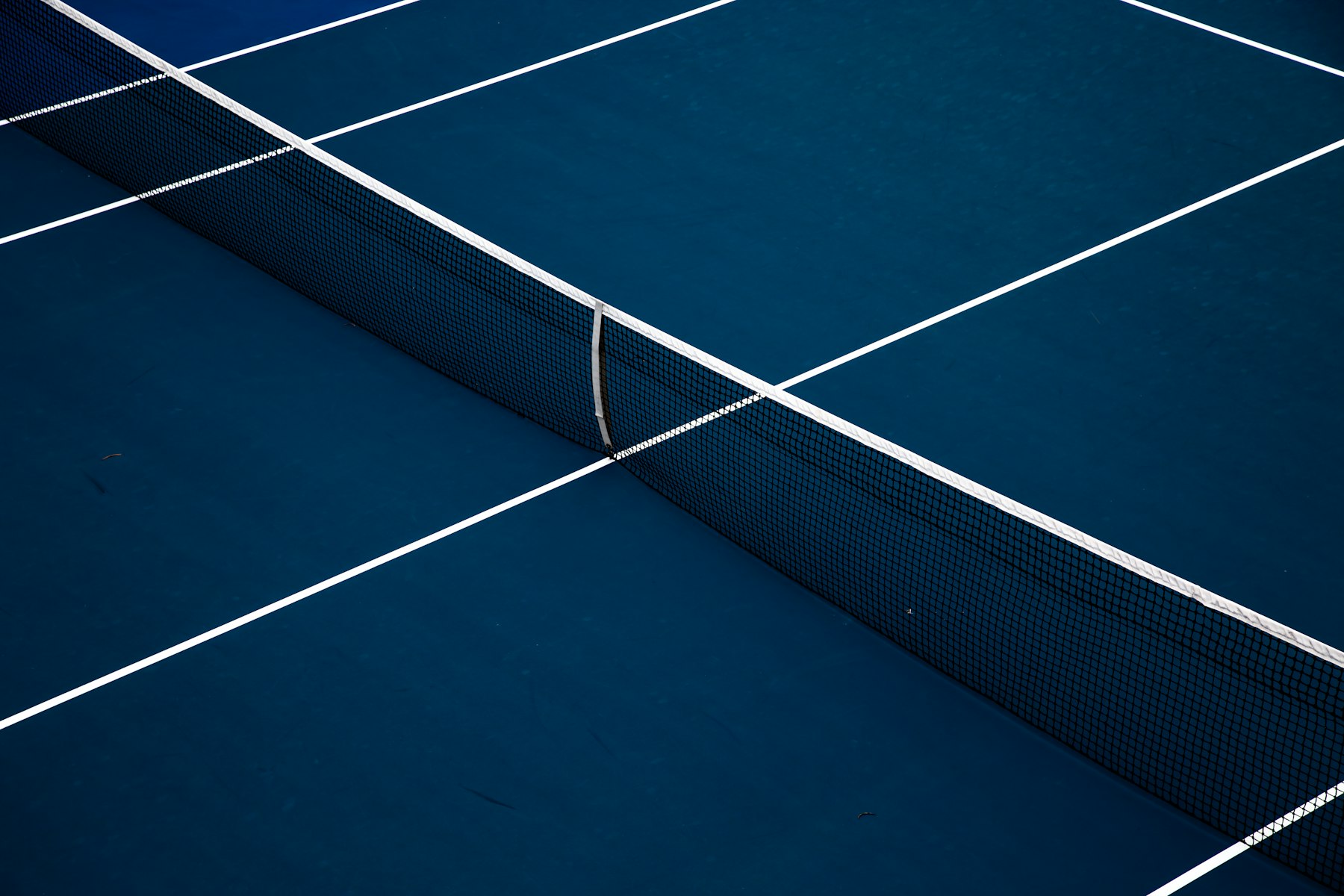
Court Color Coating Options in New Jersey
Single color, two-tone, or a full kitchen-contrast layout — how acrylic color systems work, what NJ courts typically choose, and what each option adds to the price.
Get a Color Coating Quote →Acrylic color coating is applied as layered coats over the resurfacer — a single color is the base option, a two-tone layout (playing area vs. out-of-bounds) is the most common upgrade, and a three-tone layout with a contrasting pickleball kitchen adds a bit more. Each additional color is a modest add — a few hundred to around a thousand dollars — on top of a new build or resurfacing job, not a separate project.
How an Acrylic Color System Is Built
Resurfacer / Texture Coat
A filler coat, often with sand added for texture, goes down first to level the surface and give the color coats something consistent to grip.
Color Coats
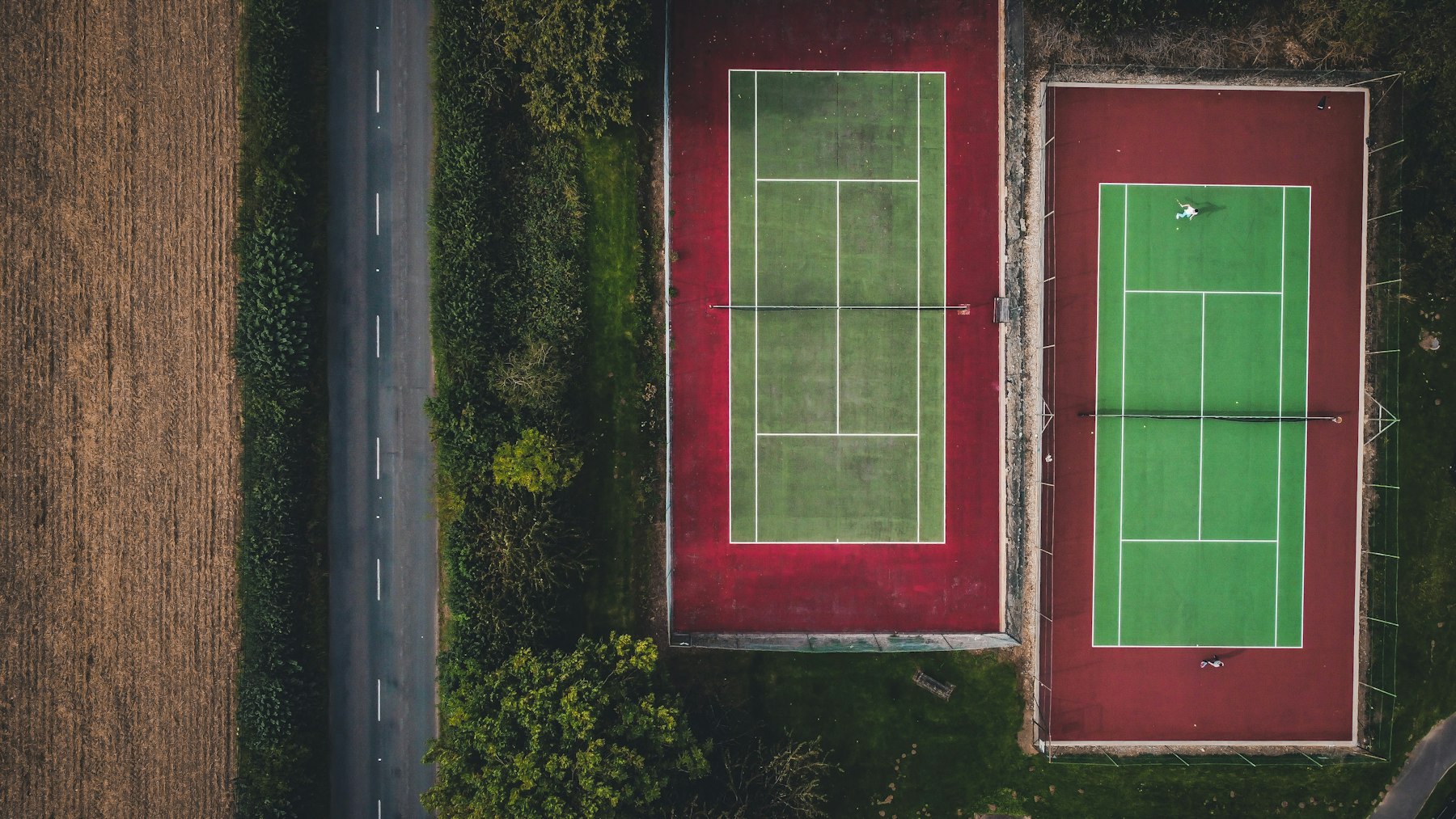
Two or more acrylic color coats go on next — one color for the playing area, a contrasting color for the out-of-bounds run-off, applied with masking between each.
Kitchen / Key Contrast (Optional)
Pickleball courts often add a third, darker color for the non-volley zone so players can see the line at a glance during fast play near the net.
Line Paint
Regulation lines go on last, in a bright contrasting color — almost always white or bright yellow — over the cured color coats.
Layered Color, Not Paint
Color goes on as layered acrylic coats over the resurfacer — a playing-area color, a contrasting out-of-bounds, and an optional kitchen contrast — with the regulation lines painted on last.
- ✓ Single, two-tone, or three-tone layouts
- ✓ Custom color matching and logos available
- ✓ Lighter colors run cooler underfoot
Color Layout Options & What They Add
Single Color
One color across the whole surface, playing area and run-off together. The baseline option included in any standard color coat job.
Two-Tone (Field + Out-of-Bounds)
Adds a few hundred to around a thousand dollars. The most common choice — a darker or brighter playing color set against a contrasting border, so the boundary reads clearly at a glance.
Three-Tone (+ Kitchen Contrast)
A modest step up from two-tone. Common on pickleball courts, where a distinct kitchen color helps players judge the non-volley line during fast exchanges at the net.
Custom color matching and logos are available on top of any of these layouts — see the FAQ below for how that pricing works.
Deciding on a Color Layout?
We'll show you real color combinations against your court's orientation and sun exposure before you commit to a layout.
Request a Quote →Trade-Offs Worth Knowing Before You Pick Colors
Color is mostly an aesthetic choice, but it isn't purely cosmetic. Darker surfaces run noticeably hotter underfoot on a sunny July afternoon — worth weighing if the court gets full sun and sees a lot of barefoot or young-player traffic nearby. See our guide to keeping a backyard court cool in New Jersey summers for how much color value alone changes surface temperature, and the glare tradeoff that comes with going lighter. Lighter colors stay cooler but show dirt, pollen, algae staining, and ball scuffs more readily between cleanings, so they ask a bit more of your maintenance routine to keep looking sharp.
Whatever colors you choose, they're painted onto the same acrylic system that carries the rest of the surface, which means color isn't a standalone project on a new build — it's bundled into the surfacing line item covered in our sport court surface types guide. On an existing court, color choice comes up again at resurfacing time — see our pickleball and tennis resurfacing guides for how a color change fits into that process, and there's no requirement to match your court's original colors when you recoat.
One honest caveat: a striking custom color combination looks great in photos and can look busy in person on a small backyard court, where you're standing much closer to the surface than at a club facility. If you're not sure, a standard two-tone layout in a color pair you already like on other courts is the safer starting point, and you can always go bolder at the next resurfacing cycle.
Color is only one layer of the acrylic system — the texture built into those same coats is what actually determines how the ball plays, independent of which colors you choose. See our guide to court surface texture and ball speed for how aggregate grain size in the top coats controls grip and pace, and how to pick a texture alongside your color layout.
We Apply Color Coating Systems Across New Jersey
Bergen County
Custom color layouts for backyard, club, and HOA courts throughout North Jersey.
Bergen County court installation →Essex County
Color coating on new builds and resurfacing jobs in Montclair, the Oranges, and nearby towns.
Essex County court installation →Monmouth County
Shore-area color coating, including glare and heat considerations near pools and patios.
Monmouth County court installation →Morris County
Color and logo work for Morristown, Madison, Chatham, and nearby communities.
Morris County court installation →Hudson County
Color coating for rooftop and slab courts in Hoboken and Jersey City.
Hudson County court installation →Related Guides
Sport Court Surface Types for New Jersey
How the base surface material affects how color coats hold up over time.
Court Striping & Line Painting Cost in NJ
Where line painting fits in relative to the color coat system underneath it.
Pickleball Court Resurfacing in New Jersey
Refreshing color as part of a full resurfacing cycle.
Tennis Court Resurfacing in New Jersey
Color coat options for tennis courts, including cushioned systems.
Court Color Coating FAQs
What colors are typically used for pickleball and tennis courts in New Jersey?+
Tennis courts most often use a green playing area with a red or dark green out-of-bounds border — the classic USTA-style combination. Pickleball has shifted toward blue or aqua playing surfaces with a contrasting darker "kitchen" (non-volley zone) and a third out-of-bounds color, though plenty of NJ courts still run a simple two-tone blue-and-green layout. There's no rule requiring any specific colors for a residential or club court — these are just what most players are used to seeing.
Does a two-tone or three-tone color layout cost more than a single color?+
Yes, but not dramatically. Each additional color means an extra masking and painting pass, so a two-tone layout typically adds a few hundred to around a thousand dollars over a single-color coat, and a three-tone kitchen-contrast layout for pickleball adds a bit more than that. On a new build or full resurface, this is a minor line item compared to the base and surfacing cost — it's a detail worth choosing on looks, not on saving money.
Can I choose custom colors or add a logo to my court?+
Custom color matching is straightforward with acrylic coating systems and usually carries a modest upcharge for the color-matching and mixing work. Logos — a center-court crest, a team color scheme, an HOA emblem — are painted in as a stencil step after the base color coats and before the final clear or texture pass, and cost depends on the logo's size and detail. Both are common add-ons on club and HOA courts more than backyard builds, simply because more people see the court.
Does court color affect surface temperature or heat underfoot?+
Yes, noticeably. Darker colors absorb more solar heat and can run 15–20°F hotter than lighter colors on a sunny summer day, which matters for barefoot comfort near the court and can make a lighter-colored surface feel more comfortable for long play sessions. It's a real trade-off against the fact that lighter colors show dirt, algae staining, and ball marks more visibly between cleanings.
Do color coats wear out on the same schedule as the rest of resurfacing?+
Yes — the color coat is part of the same acrylic system as the rest of the surface, so it fades and wears on the standard 4–8 year resurfacing cycle, not on its own separate timeline. UV exposure is the main driver of color fade, so a south-facing court with full sun exposure will typically show fading before a shaded one, even if both were coated the same year.
Pick Your Court Colors
Tell us your court type and whether you want single, two-tone, or three-tone color — we'll quote it as part of your build or resurfacing job.
Request a Quote →