Modular Tile vs. Poured Surfaces for NJ Courts
Interlocking sport tile costs more up front than acrylic-coated asphalt or concrete — but it can outlast several recoat cycles. Here's the real trade-off for New Jersey courts.
Get a Surface Recommendation →Modular interlocking tile costs more upfront and typically lasts 20-plus years without needing a recoat. Acrylic-coated asphalt or concrete costs less upfront but needs resurfacing every 4–8 years in New Jersey's freeze-thaw climate. Tile also tolerates minor cracking and settling in the base better than a thin coating does, and individual panels can be swapped instead of recoating the whole court. It costs more on day one and usually wins over 15–20 years. NJ Court Pros installs both surface types across New Jersey and can walk your specific court through the trade-off.
Two Different Ways to Get a Playing Surface
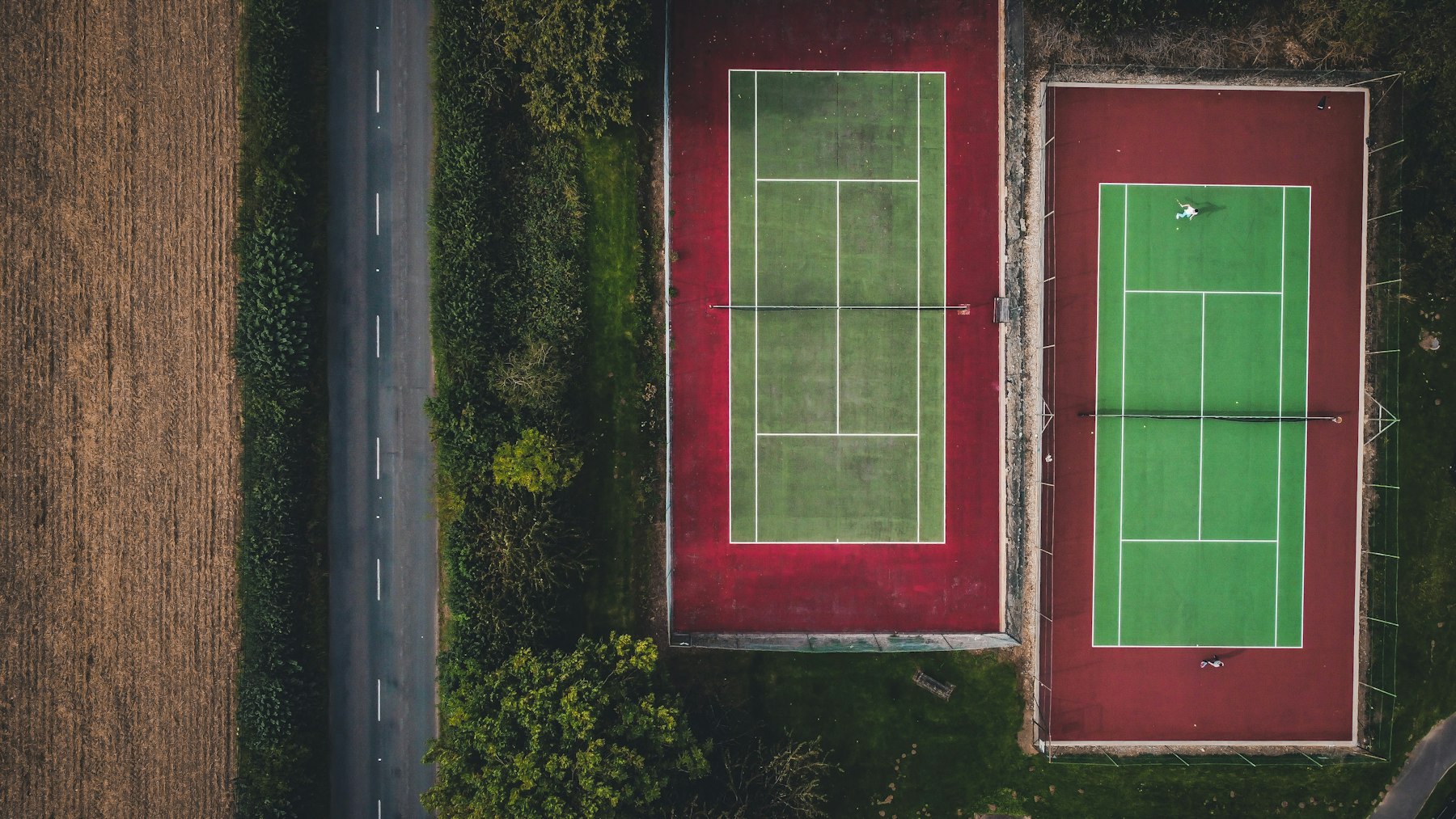
Most New Jersey courts we build use the surface homeowners already picture: a compacted base topped with concrete or asphalt, then multiple coats of textured acrylic in the court's color scheme, with lines striped on top. That system is bonded directly to the slab — the acrylic is essentially a coating, not a separate structure, which is why it needs periodic recoating as it wears and why cracks in the slab below eventually show through it.
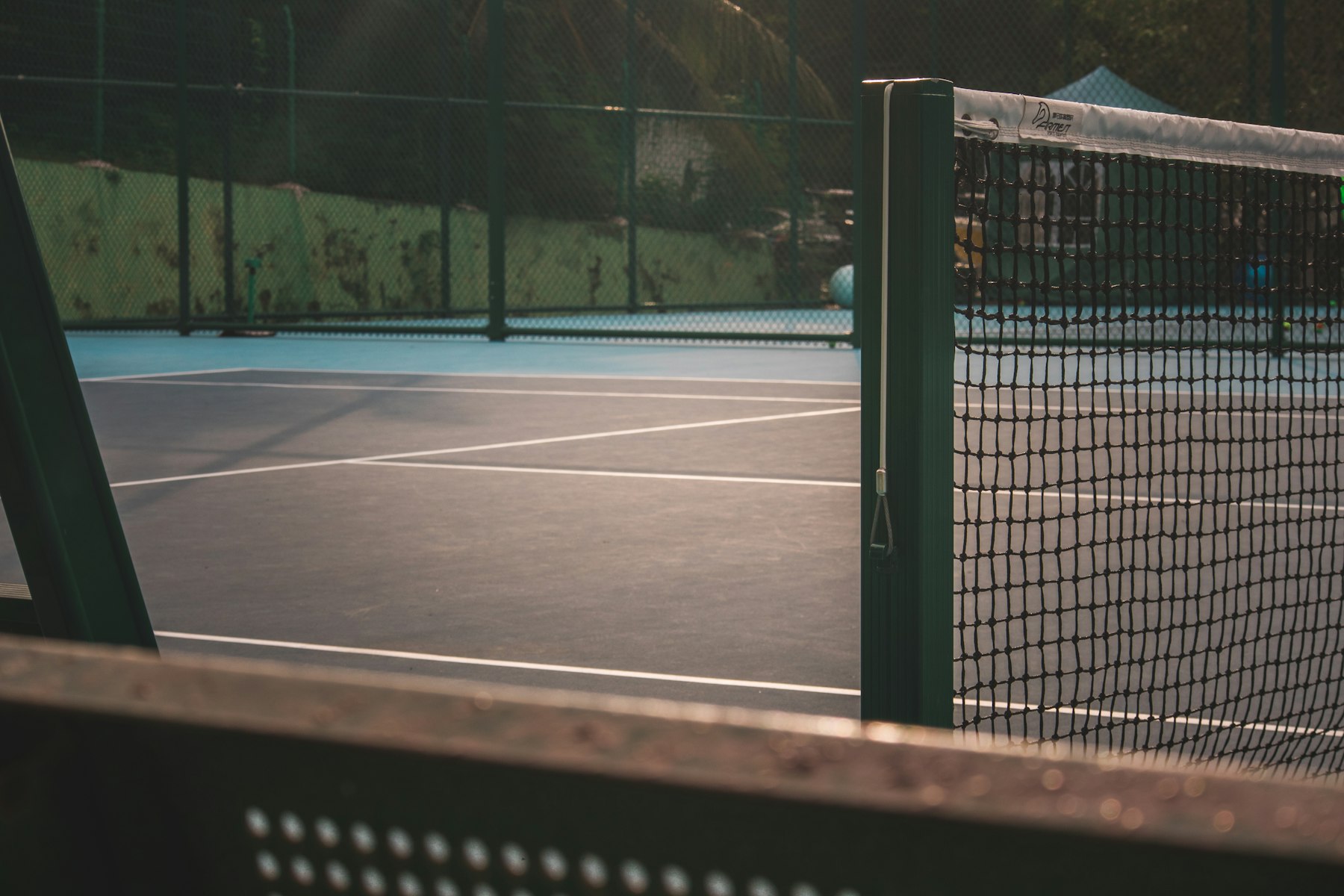
Modular tile is a different approach entirely. Instead of coating the slab, you snap together interlocking plastic panels — usually polypropylene or high-density polyethylene — across the base to create the entire playing surface. The panels sit on a raised grid of small feet or ribs, so water drains underneath rather than pooling on top, and the surface itself never bonds to what's below it. That's the core trade-off in one sentence: acrylic is a coating that ages with the slab, and tile is a floating surface that doesn't.
Upfront Cost vs. Lifecycle Cost
Tile costs more to install than a standard acrylic recoat, but it isn't on the same 4–8 year clock. Which one actually costs less depends on how long you plan to own the court, not just the install-day number.
- ✓ Tile: higher install cost, 20+ year lifespan
- ✓ Acrylic: lower install cost, recoat every 4–8 years in NJ
- ✓ Tile tolerates minor base cracking better than a thin coating
Cost and Lifespan, Side by Side
Modular Interlocking Tile
Priced per square foot by tile tier — entry-level panels cost less than premium composite tiles. Court size sets the total, but the surface usually goes 20-plus years before it needs replacing, and individual damaged tiles can be swapped without touching the rest of the court.
Acrylic-Coated Asphalt or Concrete
Lower cost per square foot on install day — surfacing a sound existing slab is quoted per court in NJ. The trade is a shorter clock: most courts need resurfacing every 4–8 years to stay safe and true, and each of those recoats is a real, recurring cost the tile option mostly avoids.
Costs vary by court. The right way to compare them for your court is total cost over the years you expect to own it, not just the install invoice — we run that comparison during the site visit. See our pickleball court resurfacing guide and resurfacing vs. new build cost guide for the acrylic side of that math in more depth.
Not Sure Which Surface Fits Your Court?
Tell us the sport, the court's current condition, and how long you plan to own it. We'll recommend a surface and send a fixed quote after a site visit.
Request a Quote →Where Each Surface Actually Wins
Tile Wins on an Imperfect Base
Because tile panels float above the slab instead of bonding to it, minor surface cracking, small dips, and settling that would telegraph straight through a thin acrylic coat mostly disappear under a tile grid. If your existing pad has cosmetic issues but is structurally sound, tile can get you a clean-looking court without a full base repair.
Acrylic Wins on Upfront Budget
If the goal is the lowest possible install cost on a sound, well-prepped slab, acrylic coating is still cheaper on day one. For a first court, a rental property, or a budget that has to hit a number now rather than optimize for year fifteen, that matters more than lifecycle math.
Tile Wins on Repair Simplicity
A damaged section of acrylic — a deep gouge, a spot where the coating has delaminated — usually means patching and blending a repair into the surrounding coat, which is a skilled, visible job. A damaged tile panel gets unclipped and replaced with a new one in the same color, in minutes, without touching anything else.
Acrylic Wins on Ball Consistency and Tournament Approval
A well-installed acrylic surface gives the most consistent, widely accepted ball bounce and is the default for sanctioned play. Tile performs well but isn't universally approved for competitive events — if you're building toward USA Pickleball or USTA-sanctioned tournaments, check the current approved-surfaces list for the specific tile product before you commit.
Tile Wins in Standing Water and Shade
Tile's raised drainage grid sheds surface water faster than a flat coated slab, which helps in low spots, shaded yards that stay damp, and courts near trees that drop debris. Acrylic on a properly crowned slab drains fine too, but tile has more built-in margin if your site's drainage is only okay rather than ideal.
What We Tell Clients Before They Decide
Tile is not a fix for a genuinely bad base. It forgives cosmetic cracking and minor unevenness, but if a slab has wide structural cracks, has settled unevenly, or holds standing water after rain, that instability eventually shows up at the tile seams — usually as panels that lift, shift, or stop locking together cleanly. We check the base the same way regardless of which surface you're leaning toward, because a bad base is a bad base either way.
New Jersey's temperature swings matter for tile in a way they don't as much for acrylic. Plastic panels expand and contract more across our summer heat and winter cold than a coated slab does, so a proper tile install leaves expansion gaps around the court perimeter instead of locking panels edge-to-edge to the fence line. Skipping that detail is the most common tile installation mistake we see corrected on courts other contractors built — panels buckling at the edges after their first real summer.
And the two surfaces aren't mutually exclusive across a property. We've installed tile on a shaded, damp backyard court and acrylic on a sunnier court twenty feet away for the same client, because the site conditions genuinely called for different answers. If you're deciding between surface types generally or weighing concrete vs. asphalt for the base underneath either surface, both of those decisions happen before this one — tile or acrylic goes on top of whichever base you choose. Sport tile is also a common surface for roller and dek hockey rinks over that same kind of base — see our roller hockey rink construction guide for how a tile-and-dasher-board rink comes together.
We Install Both Surface Types Across New Jersey
Bergen County
Tile and acrylic installs and resurfacing throughout North Jersey.
Essex County
Surface installs and recoating for Montclair, the Oranges, and surrounding towns.
Monmouth County
Shore-area residential and club court surfacing, tile or acrylic.
Morris County
Court surfacing for Morristown, Madison, Chatham, and nearby communities.
Hudson County
Rooftop and slab surfacing, including tile for tricky drainage sites, in Hoboken and Jersey City.
Related Guides
Sport Court Surface Types
Asphalt, concrete, cushioned acrylic, and modular tile compared for New Jersey conditions.
Concrete vs. Asphalt Court Base
The base decision that sits underneath either surface choice, and drives most of your build cost.
Resurfacing vs. New Build: Cost Comparison
How to tell whether an acrylic court needs a recoat or a full rebuild, and what drives the cost of each.
Pickleball Court Resurfacing
The recoat process and cost for acrylic-coated courts on the 4–8 year cycle.
Modular Tile vs. Poured Surface FAQs
What is a modular tile court surface?+
Modular sport tile is a system of interlocking plastic panels — usually polypropylene or polyethylene — that snap together over a hard, reasonably flat base to create the playing surface, instead of pouring or coating one continuous slab. Each tile is a few square feet, textured for grip, and raised slightly off the base on a grid of feet or ribs that let water drain underneath. It's installed over an existing or new concrete or asphalt pad rather than replacing it.
Is modular tile cheaper than acrylic-coated asphalt or concrete?+
Not upfront. Modular tile systems are priced per square foot by tile tier, and they cost more than a standard acrylic coating job on a sound existing slab. Where tile pulls ahead is lifecycle cost: a quality tile system typically lasts 20-plus years without recoating, while acrylic on asphalt or concrete needs resurfacing roughly every 4–8 years in New Jersey's freeze-thaw climate. Over 20 years, tile can come out cheaper even though it costs more on day one.
Can you put modular tile over an existing cracked court?+
Often, yes — that's one of tile's real advantages. Because the panels float above the base rather than bonding to it, minor surface cracking and small imperfections don't telegraph through the same way they would under a thin acrylic coat. It's not a fix for a structurally failing slab, though — wide structural cracks, uneven settling, or standing water underneath still need to be addressed first, because tile sitting on an unstable base will eventually reflect that instability at the seams.
Is modular tile approved for tournament or sanctioned pickleball and tennis play?+
Some tile products are approved for sanctioned play and some aren't — approval lists change and vary by sport and tile brand, so if you're building toward USA Pickleball or USTA-sanctioned events, check the current approved-surfaces list for the specific product before you commit. For backyard, HOA, and recreational courts this isn't a factor; it only matters if the court needs to host a rated or sanctioned tournament.
Does modular tile hold up in New Jersey weather?+
Yes, with one design detail that matters: plastic tile expands and contracts more than acrylic-coated asphalt across New Jersey's summer heat and winter cold, so a proper installation leaves expansion gaps around the perimeter rather than locking the field of tile edge-to-edge. Done correctly, tile handles freeze-thaw cycling better than a rigid coated slab, since the base movement that cracks acrylic just flexes the tile grid slightly instead.
Get a Surface Recommendation for Your Court
Tell us the sport, your site conditions, and how long you plan to own the court — we'll recommend tile or acrylic and send a fixed quote after a site visit.
Request a Quote →