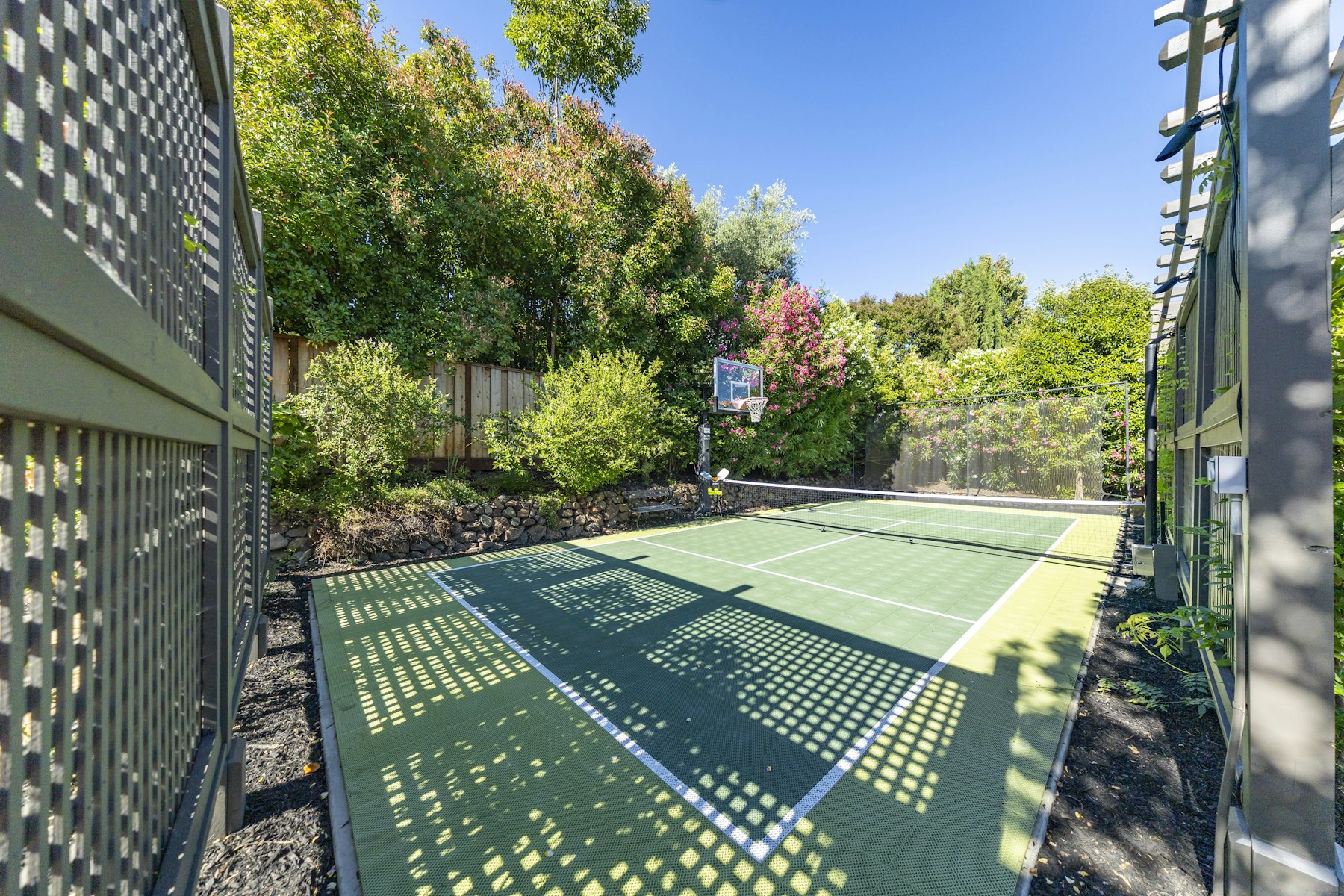
Can a Backyard Pickleball Court Pay for Itself?
Renting hours in New Jersey is one offset some homeowners explore — not a guaranteed payback clock. Here is how to think about install decisions, backyard constraints, and utilization honestly before you build.
Get an Installation Quote →A backyard pickleball court in New Jersey is first a construction project — typically $25,000–$55,000 for a new outdoor court — and only secondarily a possible hourly-rental offset. Some homeowners later explore renting court time to friends, neighbors, or local players. That can help with ongoing costs for certain lots, but costs, utilization, weather, HOA rules, and neighbor tolerance vary too widely to promise that a court will "pay for itself" in a fixed number of months. Build for how your household will play; treat rental income as optional upside. NJ Court Pros installs and resurfaces courts across New Jersey and provides a fixed quote after a site visit.
Why Homeowners Ask About Hourly Rentals
Pickleball demand in New Jersey is real. Public courts fill up, club waitlists stretch, and backyard builds have become a common conversation in suburbs from Bergen to Monmouth. Once someone sees a five-figure install estimate, a natural follow-up is: Could we rent hours and get the money back?
That question mixes two different businesses. NJ Court Pros sells court installation, construction, and resurfacing — base work, acrylic systems, fencing, lighting, and the site prep that makes a pad last through freeze-thaw winters. We do not run booking directories or promise income from your backyard. Hourly rentals, if you pursue them at all, sit on the homeowner side of the ledger after the court exists.
The honest framing is narrower than social-media payback stories: rental revenue is one possible offset some owners explore. It is not a construction warranty, not a financing product, and not a reason to skip proper base or drainage. If the only way the project pencils is constant bookings, you are betting on demand and neighborhood tolerance you cannot control from the pour date.
Four Realities That Break Simple Payback Math
Build Cost Is Not a Flat Number
Site prep, slope, retaining, drainage, base type, fencing, and lighting swing the quote. Two yards in the same town can land at opposite ends of the typical range.
Utilization Is Seasonal and Local
NJ outdoor play compresses in winter. Evening demand depends on lighting. Weekday mornings look different from Saturday afternoons. Empty hours do not pay invoices.
Rules and Neighbors Matter
HOA covenants, noise ordinances, parking, and home-occupation rules can limit or forbid quasi-commercial use even when the court itself was approved as a residential amenity.
Shared Use Accelerates Wear
More feet and paddles mean resurfacing cycles arrive sooner. Any rental offset has to sit next to maintenance reality, not replace it.
Design the Court You Will Actually Use
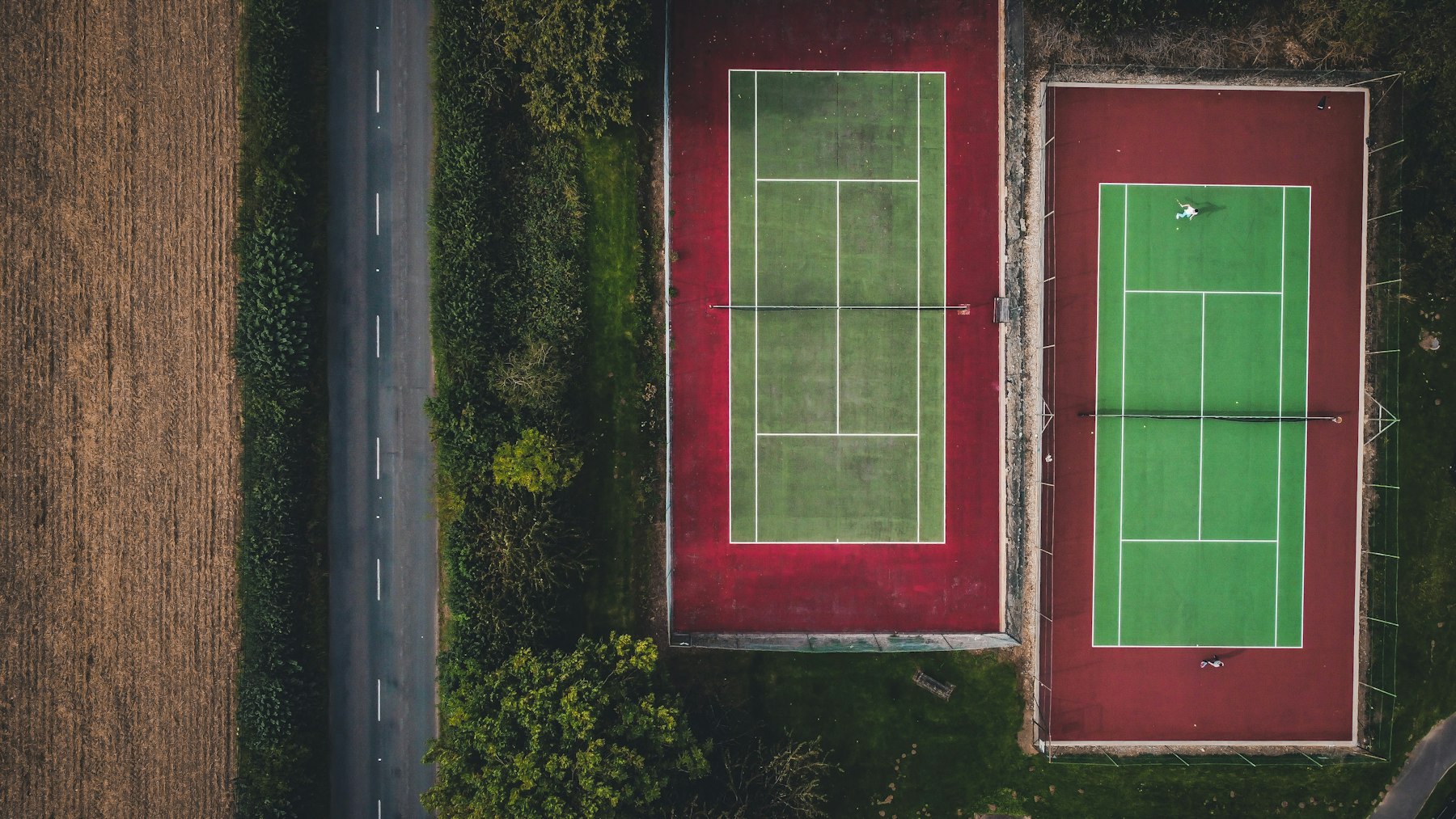
Surface, base, drainage, and layout decisions last decades. Hourly booking patterns do not. If your household wants a true-playing court, build for that — then decide later whether occasional rentals fit your town and neighbors.
- ✓ New outdoor pickleball court: typically $25,000–$55,000 installed
- ✓ Rental income: optional offset, not a guaranteed payback clock
- ✓ Heavier shared use favors durable base, fencing, and clean resurfacing cycles
What a Payback Conversation Actually Requires
People often want a single sentence: "The court pays for itself in X months." That sentence is almost always marketing, not engineering. Payback is a ratio of net rental cash after expenses to all-in install and carrying cost. Both sides of that ratio are site-specific.
On the cost side, start with a real install quote — not a national average. Our pickleball court installation cost in New Jersey guide walks through base, surfacing, fencing, and lighting ranges. Add soft costs people forget: permits, possible retaining or drainage extras, landscaping restoration, lighting electrical runs, and eventual resurfacing every several years. If you finance the build, interest is part of the true cost of ownership too.
On the revenue side, you need booked hours — not theoretical capacity. A court that "could" host play from dawn to dusk is not the same as a court that actually books evenings without angering neighbors or violating an HOA. Weather cancels outdoor sessions. Holiday weeks look different from school nights. A few enthusiastic friends is not the same as a steady stream of paying strangers who need parking and a restroom plan.
For a rental-side discussion of tennis and pickleball court earnings — without treating any figure as a promise for your backyard — see how much court owners can earn renting tennis or pickleball courts by the hour. That article covers the rental economics conversation; this guide stays on whether those ideas should change how you build in New Jersey.
We deliberately do not invent a $/hr rate or a months-to-payback claim for NJ backyards. Utilization and local rules dominate the outcome. The useful homeowner question is not "When does it break even?" It is "Would we still want this court if rental hours stayed modest?"
Get a Fixed Install Quote for Your Yard
Tell us your town and a rough yard size. We'll check what fits, walk the site, and quote the build — without treating rental income as part of the construction contract.
Request a Quote →Build Decisions That Matter If You Might Ever Rent Hours
Even if rentals are only a maybe, a few construction choices make shared use less painful. None of them require committing to a booking business on day one — they simply keep options open without compromising how the court plays for your family.
Base and surface durability. Post-tension concrete resists New Jersey freeze-thaw movement better than a thin or poorly drained pad. Standard or cushioned acrylic systems that can be cleaned, patched, and recoated matter more when more players rotate through. Cutting the base to "save for later rental marketing" is backwards: a failed slab cannot be fixed with a booking calendar. Our step-by-step how to build a backyard pickleball court in NJ guide covers layout, base, and sequencing for residential lots.
Fencing and ball containment. Guest players are less familiar with your yard edges than your household is. Perimeter fencing keeps balls out of gardens, pools, and neighbor property — and reduces the "sorry, can I hop the fence?" moments that turn casual rentals into neighbor friction.
Lighting — only if evening use is real. LED lighting extends usable hours and is often what makes after-work play possible. It also raises cost, needs electrical planning, and can become a glare or spill-light issue for adjacent homes. If you never intend evening sessions, skip lights and keep the project simpler. If evenings are the only hours strangers would book, lighting is an install decision with neighbor consequences, not a free upgrade.
Access, staging, and softscape. Crews need a path for equipment during construction; later, guests need a clear way to the court that does not tramp through flower beds. Gate placement, side-yard width, and where players drop bags all belong in the site plan. See preparing your yard for court construction for access, utilities, and homeowner prep before the pour.
Resurfacing as a known future cost. Acrylic systems are not lifetime coatings. Recoats every several years keep the court safe and true. Shared use can shorten that interval. Budget resurfacing as ownership reality — our pickleball court resurfacing in New Jersey guide explains the process and typical ranges — rather than assuming rental cash will always cover it.
New Jersey Backyard Constraints That Shape Cost and Use
Setbacks & Coverage
A full pad with run-off is often ~30 × 60 ft. Impervious-coverage limits and property-line setbacks decide whether that pad fits — before any rental math starts.
Permits & Zoning
Most towns treat a court as a structure or impervious surface that needs permits. Approval for building is not the same as approval for hourly commercial use.
HOA Covenants
Associations may allow a residential court but restrict advertising, paid guests, or traffic. Get written clarity before counting on rental offset.
Noise & Nuisance
Pickleball’s sharp paddle pop carries. Placement, screens, and hours of play matter more when sessions are frequent and involve people who do not live next door.
Drainage & Slope
NJ freeze-thaw punishes flat, poorly drained pads. Water has to leave the court and stay away from foundations — rental popularity does not fix ponding.
Season & Weather
Outdoor acrylic work and outdoor play both cluster in milder months. Winter utilization drops; that alone breaks many optimistic annual-revenue sketches.
County and town context also matters. Dense North Jersey lots may struggle with fit, parking, and neighbor proximity long before they struggle with demand. Larger lots in Morris, Somerset, or Monmouth may fit the pad easily but still face HOA architectural review or well-and-septic setbacks. Shore and Pinelands jurisdictions can add coastal or environmental review that has nothing to do with pickleball popularity. For permits and zoning basics statewide, see our pickleball and tennis court permits and zoning guide.
Noise deserves its own sentence in any rental discussion. A household that plays three evenings a week is one pattern; a calendar of paid sessions with rotating groups is another. If your town has active noise complaints around public courts, assume neighbors will notice a busy private one. Design placement and screening as part of the install — not as an apology after the first complaint.
Insurance, Liability, and Homeowner Practicalities
Opening a backyard court to paying players changes risk in ways a pure family court does not. This is not legal advice — talk to your insurance agent and, if needed, a local attorney — but homeowners who explore rentals typically ask about liability coverage for guest injuries, whether a homeowner policy still fits once activity looks commercial, and whether the association or town requires additional certificates. Those conversations belong before the first paid hour, not after an incident.
Practical logistics pile up too: restroom access, trash, bag storage, how players enter without walking through private living space, and what happens when someone no-shows or arrives late into a neighbor-sensitive evening window. None of that is part of an NJ Court Pros installation contract, but all of it affects whether rentals feel workable on your specific property.
Again, the construction takeaway is simple: build a court that is safe, true, and durable for the use you actually expect. A well-built pad with clear fencing, sensible orientation, and a surface that can be maintained is valuable whether or not a single stranger ever books an hour. A poorly drained court that cracks in year two is a liability with or without a rental listing.
A Practical Decision Framework Before You Build
Confirm the court for household use first
If your family would not love the court with modest or zero rental hours, stop. Optional upside is a poor foundation for a permanent backyard structure.
Get a site-specific install quote
Walk the lot for slope, access, drainage, setbacks, and coverage. Fixed numbers beat national blog averages when you are weighing real money.
Check town and HOA rules for paid use separately
Building approval and rental permission are different questions. Ask both in writing if an association is involved.
Stress-test utilization conservatively
Assume weather, winter, and neighbor limits. Do not fill every daylight hour on a spreadsheet and call it a plan.
Design for durability and containment
Choose base, surface, fencing, and (if needed) lighting for how the court will actually be used — including occasional guests — then maintain it on a real resurfacing cycle.
Related Guides
Pickleball Court Installation Cost in New Jersey
Real 2026 ranges for new builds, surfacing an existing slab, and what drives price up or down.
How to Build a Backyard Pickleball Court in NJ
Space, permits, base, surfacing, and lighting — the residential build sequence end to end.
Pickleball Court Resurfacing in New Jersey
Process and pricing for recoating an aging court so shared use stays safe and true.
Court Permits & Zoning in New Jersey
What towns typically require before a residential court can be built — separate from rental rules.
Backyard Court Rental Offset FAQs
Can a backyard pickleball court pay for itself by renting hours in New Jersey?+
Sometimes homeowners use hourly rentals as a partial offset, but there is no reliable timeline that applies to every lot. Build cost, local demand, weather, HOA rules, neighbor tolerance, insurance, and how many hours you actually book all move independently. Treat rental income as optional upside — not a guaranteed payback schedule — and design the court first for how your household will use it.
How much can you charge per hour to rent a backyard pickleball court in NJ?+
Rates vary by town, court quality, lighting, and whether players can book easily. We do not publish promised $/hr figures because they change with market conditions and utilization. For a rental-side discussion of tennis and pickleball court earnings, see the SpaceSkout court rental earnings guide linked in this article. NJ Court Pros builds and resurfaces courts; we do not operate booking platforms.
Does planning to rent hours change how the court should be built?+
It can. Heavier shared use favors a durable post-tension base, a surface that resurfaces cleanly, fencing that contains balls, and lighting if evening play is part of the plan. Access paths, parking expectations, and acoustic screening also matter more when strangers will use the yard. Those are install decisions — not booking decisions — and they belong in the design conversation before concrete is poured.
Do New Jersey towns or HOAs allow hourly court rentals on residential property?+
Rules differ by municipality and association. Some HOAs treat commercial or quasi-commercial use of a backyard amenity as a violation even when the structure itself was approved. Town zoning, home-occupation rules, parking, and noise ordinances can also apply. Confirm both municipal and HOA rules before assuming rentals are allowed — and get written clarity if the association board is involved.
What does a backyard pickleball court cost to install in New Jersey?+
A new outdoor pickleball court in NJ typically runs about $25,000–$55,000 fully installed, depending on base, surface, fencing, and lighting. Surfacing a sound existing slab is far less. See our pickleball court installation cost guide for the full breakdown. A site visit is the only way to get a fixed number for your lot.
Should I build the court primarily to rent it out?+
Usually no. The strongest reason to build is that your household wants a court that plays well for years. Hourly rentals can be one offset some owners explore later, but building only for rental cash flow puts you at the mercy of demand, weather, and neighborhood rules you do not control. If the court only makes sense if it books constantly, the project is probably too fragile.
Ready to Talk About Building the Court?
Whether rentals are a maybe or not on the table, we'll focus on fit, base, drainage, and a fixed installation quote for your New Jersey property.
Request a Quote →