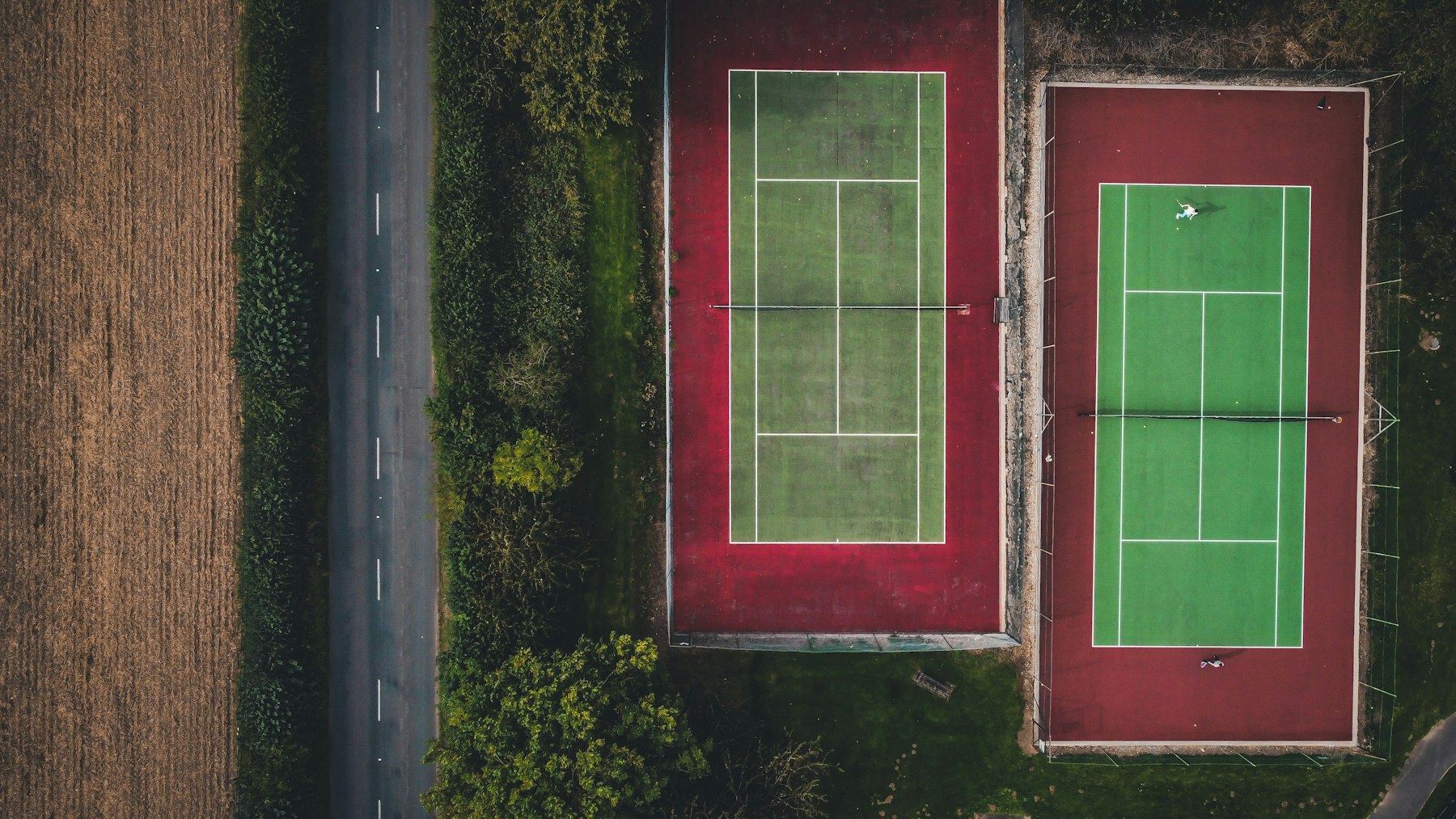
Backyard Court vs. Club Membership
What a New Jersey family actually spends on club or facility dues, compared against what it costs to build or surface a court at home — and how long it takes for owning to catch up.
Get a Build Estimate →Club and facility dues in New Jersey range from low-cost municipal pickleball programs to private swim-and-tennis memberships that cost several times as much. A backyard court is a one-time project: surfacing an existing slab costs far less than building new, and a new build depends on sport, base, fencing, and site prep, so it is quoted per site. On fees alone, membership usually wins for years one through five. A court starts winning when you have multiple regular players in the house, when you\'re already paying for a mid-to-high-end club, or when you value unlimited access over dues you can cancel. This page lays out how to run the comparison on both sides so the decision isn\'t a guess.
What Club Membership Actually Costs
New Jersey doesn't have one club price — it has three different products that all get called "membership," and they price nothing alike. A municipal or parks-and-rec pickleball program is the cheapest tier, often a seasonal pass with no initiation fee. A dedicated racquet club is the middle tier: Randolph Tennis Center in Morris County, for example, lists a "Big Dill" individual pickleball membership at $169 a year and a "Sweet Pickle" family membership at $279. A private swim-and-tennis club is the top tier — New Milford Tennis & Swim Club in Bergen County lists individual membership at $925 and full family membership at $2,050, and that's before any initiation fee some clubs still charge. Full country clubs that bundle tennis with golf, pool, and dining run well past that again, sometimes into five figures a year with a separate initiation deposit.
The number that actually applies to your household depends entirely on which tier you'd realistically join. Comparing a backyard court to a low-cost family pickleball pass is a very different conversation than comparing it to a private swim-and-tennis family membership — and most families skip this step and compare a court to whichever number sounds scariest, instead of the one they'd actually be paying.
| Membership tier | Typical NJ cost | What you get |
|---|---|---|
| Municipal / parks & rec | Lowest tier; check your town's posted rate | Shared public courts, posted hours, minimal amenities |
| Dedicated racquet club (e.g. pickleball-focused) | e.g. Randolph Tennis Center lists $169/yr individual, $279/yr family | Reserved court time, leagues, instruction add-ons |
| Private swim & tennis club | e.g. New Milford Tennis & Swim Club lists $925 individual, $2,050 family | Pool + courts, programming, often an initiation fee |
| Full country club (tennis as one amenity) | Highest tier; dues plus initiation, varies by club | Golf, dining, pool, and courts bundled together |
Figures are representative of published New Jersey facility pricing as of 2026 and vary by club and town; confirm current rates directly with any facility you're considering.
A Court Is a Fixed Cost, Not a Recurring One
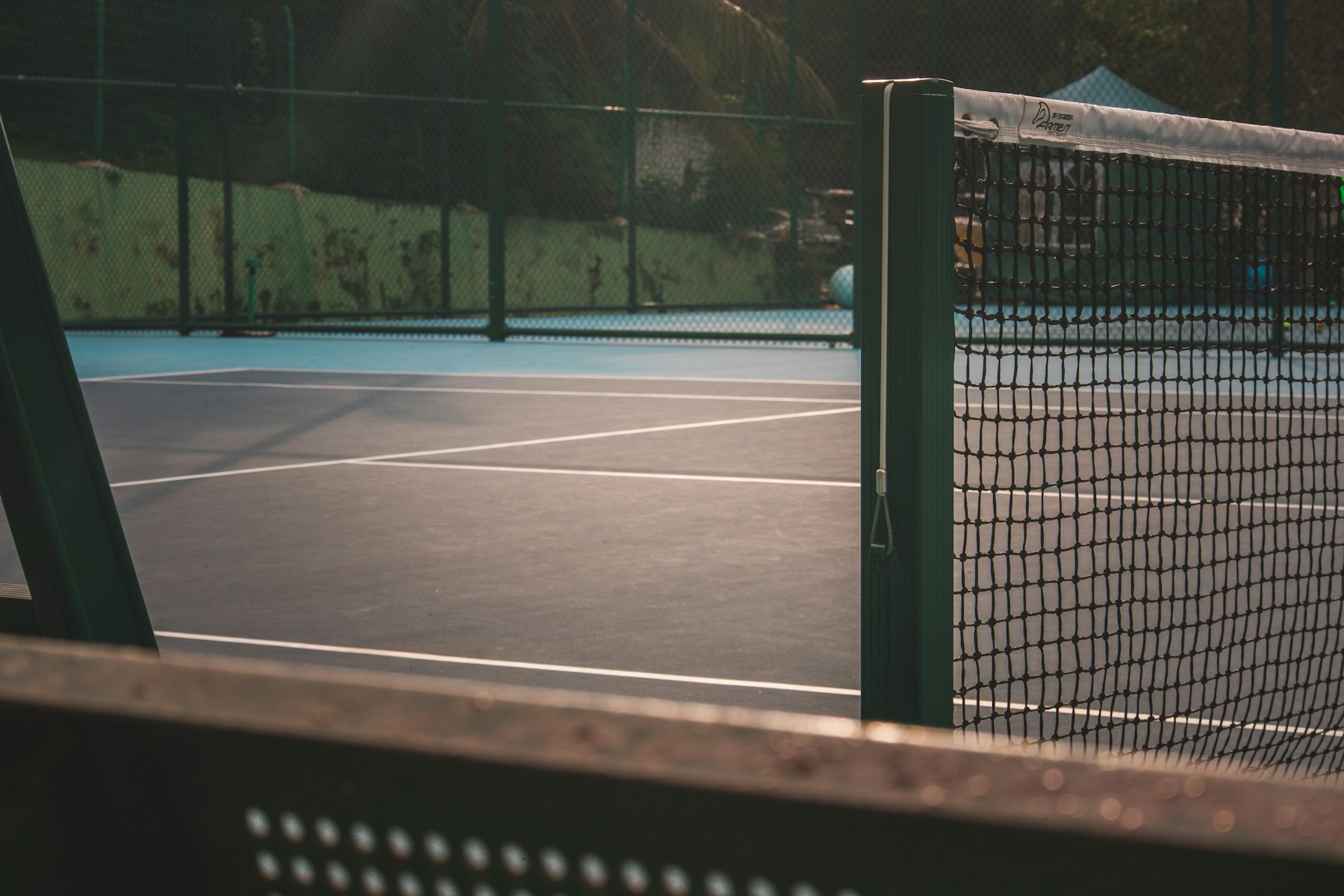
Once a court is built, there's no annual dues renewal. You're trading a recurring fee for a one-time construction cost plus periodic resurfacing every several years.
- ✓ Surfacing an existing slab costs far less than a new build
- ✓ Tennis is a bigger footprint and a bigger quote than pickleball
- ✓ Resurfacing every 4–8 years, not an annual bill
What Building Actually Costs
On the ownership side, the range depends on what you're starting from. If you already have a sound, properly sloped concrete or asphalt pad — a driveway, an old sport court, a patio — surfacing it for pickleball is the least expensive path. A full new pickleball court built from scratch includes base, surfacing, net posts, and basic fencing, and the quote depends on site prep and fencing. Tennis is a bigger footprint and a bigger number. We quote each one per site. Full build-cost breakdowns, including what drives the price up or down, are in our pickleball court installation cost guide and tennis court installation cost guide.
The other cost club members don't think about: a court needs resurfacing every 4–8 years, which runs a few thousand dollars per cycle for pickleball and more for tennis. That's real money, but it's a periodic bill, not an annual one, and it's the price of keeping an asset — not a recurring fee for access you lose the moment you stop paying.
The Break-Even Math, Done Honestly
Run the numbers against the cheapest realistic membership and a backyard court almost never wins on fees. Divide a new-build quote by a low-cost family pickleball pass and you get decades of dues before the court "pays for itself" — nobody should build a court expecting that math to work, and any contractor who tells you otherwise is selling you a story, not a number.
Run the same math against a private club and it changes. A family paying New Milford's listed $2,050 a year for a swim-and-tennis membership spends ten times that over ten years — real money that a backyard court can offset within a decade or two if the household would have kept renewing that membership anyway. Put your own quote next to your own dues to see where the break-even lands. Add a second or third regular player in the house each paying individual dues, and the break-even point moves up faster still.
The honest framing: build a court because you want daily, unscheduled access and you're done fighting for a reservation — not because the spreadsheet guarantees a win. If a lower-cost membership already covers what your household needs, that\'s frequently the better financial call. If you\'re already paying private-club rates, or you have several players at home, the math starts favoring the court a lot sooner than most people assume going in.
What Each Option Actually Buys You
Membership gets you people
Leagues, round-robins, instruction, and a pool of other members to play against. A backyard court is a great surface with nobody on it if your household is the only one using it.
Ownership gets you access
No reservation windows, no peak-hour waitlist, no drive. Play at 6am or 9pm on a Tuesday without checking a booking app.
Membership hands off maintenance
Resurfacing, winter closing, net and fence upkeep — someone else's line item. Owning means budgeting for that yourself, on a 4–8 year cycle.
Ownership adds to the property
A well-built court is a lasting feature of the home, not a membership you lose the day you stop paying. See our guide on whether a court actually increases home value.
Not Sure Which Makes Sense for Your Household?
Tell us how many people in your home actually play, and what you'd otherwise be paying in dues — we'll give you a real construction number to compare it against.
Request a Quote →Where Most NJ Families Actually Land
In practice, the decision rarely comes down to a spreadsheet alone. Households that land on building usually have one of three things going on: a driveway, patio, or old sport court that only needs surfacing rather than a full build (which costs far less than a new build and makes the math far more forgiving); several regular players in the house who'd otherwise each be paying dues; or a local club scene that's crowded enough that "membership" doesn't actually guarantee court time at the hours they want to play, which is a real cost even if it doesn't show up on an invoice.
Households that land on membership usually have the opposite: one or two occasional players, a nearby club priced at the municipal or mid-tier end, or a preference for the social and instructional side of a club that a backyard court simply can\'t replicate. Neither answer is wrong — they\'re optimizing for different things, and the fee comparison is only one input. If you\'re weighing a rental property angle instead of a primary residence, the math runs differently again; see our rental property court installation ROI guide for that version of the comparison. If financing the build is the real question, our court installation financing guide covers how NJ homeowners typically pay for it.
Related Guides
Pickleball Court Installation Cost in NJ
Full build-cost breakdown if ownership is the direction you're leaning.
Tennis Court Installation Cost in NJ
What a ground-up tennis build costs, and what drives the price.
Does Adding a Court Increase Home Value in NJ?
What resale data and buyer behavior actually say, separate from the build cost.
Financing a Court Installation in NJ
How NJ homeowners pay for construction if the upfront number is the sticking point.
Rental Property Court Installation: Cost & ROI
A different version of this math when the property isn't your primary residence.
DIY vs. Professional Court Installation
Where a lower-cost approach to ownership genuinely works, and where it doesn't.
Backyard Court vs. Membership FAQs
Is it cheaper to build a backyard pickleball court or join a club in New Jersey?+
On pure fee math, joining a club almost always wins in year one — Randolph Tennis Center in Morris County, for example, lists a pickleball membership at $169 a year, while surfacing or building a court is a one-time project quoted in the thousands. The math only flips in a court's favor over a long enough horizon, with a large household, or when you compare against a full-service country club that bundles tennis, pool, and dining at several thousand dollars a year. A backyard court is rarely the cheaper option if cost is the only variable.
How much does a tennis or pickleball club membership cost in New Jersey?+
It varies widely by facility type. Municipal or parks-and-rec pickleball programs are usually the cheapest tier. A private swim-and-tennis club costs considerably more — New Milford Tennis & Swim Club in Bergen County, for example, lists individual membership at $925 and family membership at $2,050 — often with an initiation fee on top at other clubs. Full country clubs with tennis as one amenity among several can run well beyond that. There is no single New Jersey number — it depends on whether you are pricing a rec department, a dedicated racquet club, or a country club.
How many years does it take for a backyard court to pay for itself vs. membership dues?+
The math is simple once you have a real quote: divide the quoted cost of the court by the dues your household would actually stop paying each year. Against a low-cost family pickleball pass, the arithmetic rarely "pays back" on fees alone. Against a private swim-and-tennis family membership, a court can offset a meaningful share of its cost over a decade or more, faster if several household members would otherwise each be paying individual dues. The honest takeaway: don't build a court expecting it to be a financial win on fees alone — build it for access, and treat any dues you stop paying as a bonus.
What does a club membership give you that a backyard court doesn't?+
Programming — leagues, lessons, drop-in play, and other members to play against — is the biggest one. A backyard court gives you a surface; a club gives you a surface plus people to use it with and someone else responsible for maintenance, resurfacing, and winter closing. Indoor or covered courts at some clubs also mean year-round play that an uncovered backyard court in New Jersey cannot match without a separate bubble or enclosure investment.
Does a backyard court make more sense if you already have several players in the household?+
Yes — this is where the math moves fastest. A family of four each paying for an individual club membership multiplies the annual bill by four, and court time still isn't guaranteed at peak hours. The same household with a court in the backyard pays once for the surface and plays whenever they want. If everyone in the house plays regularly, a court starts looking like the practical choice well before it looks like the cheap one.
Get a Real Number for Your Yard
Skip the guessing — tell us your site and what you're comparing it against, and we'll give you a fixed construction quote after a site visit.
Request a Quote →